
We design brands that help experts inform, influence, and innovate.
- Founded
- 2014
- Washington, DC
- 1902 carriage house, Capitol Hill
- Charleston, SC
- Open since 2016
AI has fundamentally changed how brands operate.
Brand design is the most important part of design in the AI era. The first AI-native brands are agentic. The wave behind them is what we’re building toward.
Agentic brandsAgentic brands are the first wave, being built now. They show up everywhere: every channel, every surface, generated on demand. They optimize for search, scale, and speed. They’re real, and they all kind of sound the same.
Sentient brandsSentient brands are what comes next. Brands that operate as one alive thing across every surface they show up on. The studio’s voice, its tokens, its archive, its active decisions all loaded into the same working memory every agent reads from. Output that sounds like the brand that briefed it, on every channel, every time.
Building the brands of the futureThe studios that build that second wave will be brand-led, or they will not build it at all. Workhorse has spent twelve years inside brand-led work. We’re putting the next decade into the software that lets a brand operate that way. We’re calling it Workbench. The studio is its first customer. The site you’re reading is the first demonstration.
We started using AI across the studio.
By 2024, AI was integrated into the design process and the delivery system, not bolted onto either. To make that work at studio scale, we moved the design system out of Figma and into code, so the brand could be data the agents read from.
AI across the studioAI use spread from one designer’s tools into the whole practice: drafting, image generation, structured output, agent workflows for review and publish. The pattern from two years of experiments held. The brand had to be at the root of every agent, or the work drifted.
Brand as data on diskFor the brand to sit at the root, it had to be data the agents could read. Tokens live in Style Dictionary, in DTCG format on disk: color, typography, spacing, radius, motion, voice. Every component in the shared shadcn-based library inherits them. The same library, with different tokens, renders a different brand.
Growth-based designA strict design system, even one extended by AI, can hold a brand back. If we focus more on the system than on the brand it serves, the work goes generic. Our discipline now is growth-based design: the system extends as the brand expands. New colors when the work earns them. New formats when the audience asks. The system is built to grow, not to lock.
Stable Diffusion arrived, then ChatGPT.
Stable Diffusion shipped in August. ChatGPT shipped in November. We started running both through real client work the week each one arrived, the way the studio has tested every new tool since 2014.
We have always been tinkerers, and in the two years that followed we ran nearly every model, framework, and integration that mattered through real client work. The pattern that kept landing: AI produces fluently and produces nothing in particular. The brand is what keeps the output honest. An agent without a brand at the root drifts. It writes copy that is technically competent and emotionally flat.
What we kept from that run was a conviction: AI has to be integrated into the design process, not bolted onto it. The brand has to live as data the agents can read. Voice, tokens, components, archive, all in one place. We started building toward that.
Designing through the pandemic.
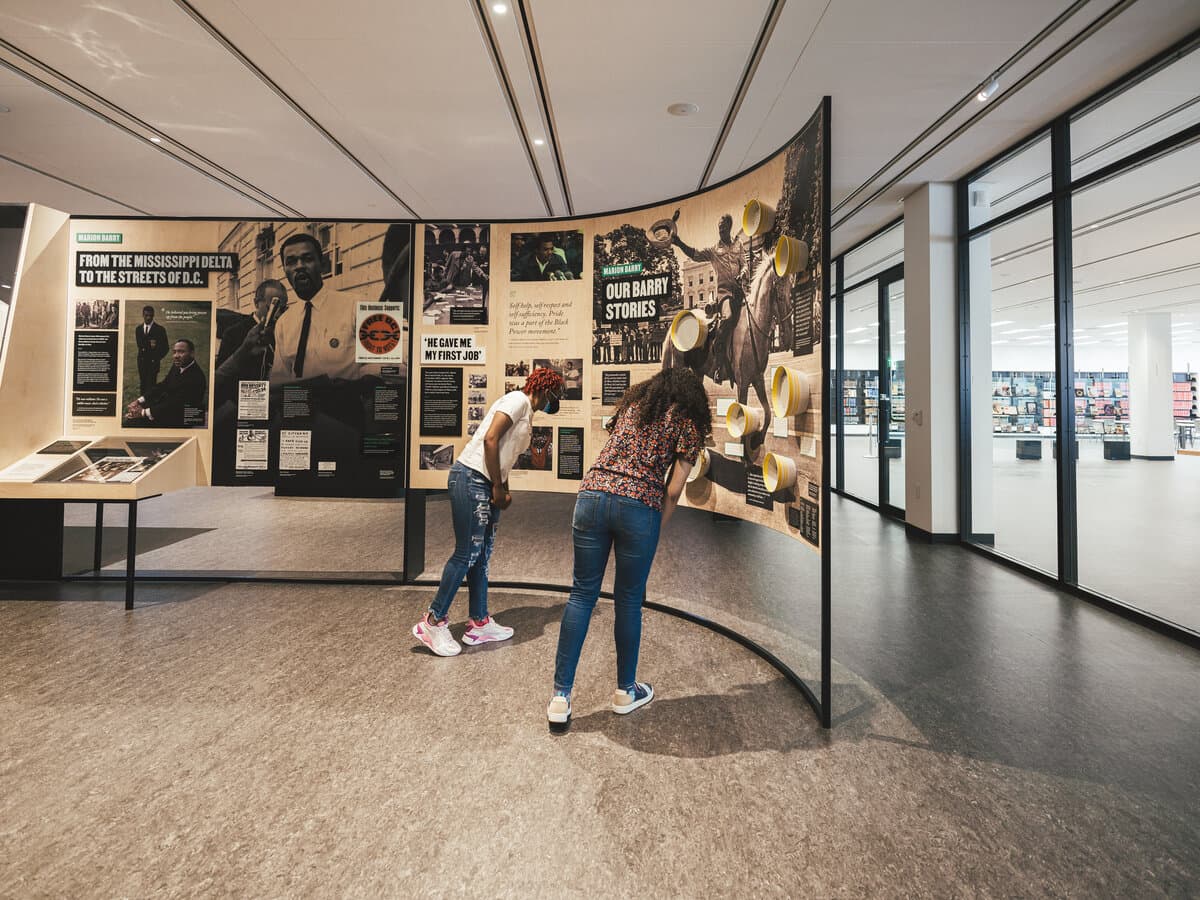
The pandemic emptied the world’s offices in March. The studio sits on Capitol Hill in Washington, a few miles from the central library where we were finishing a permanent exhibition on Dr. King.
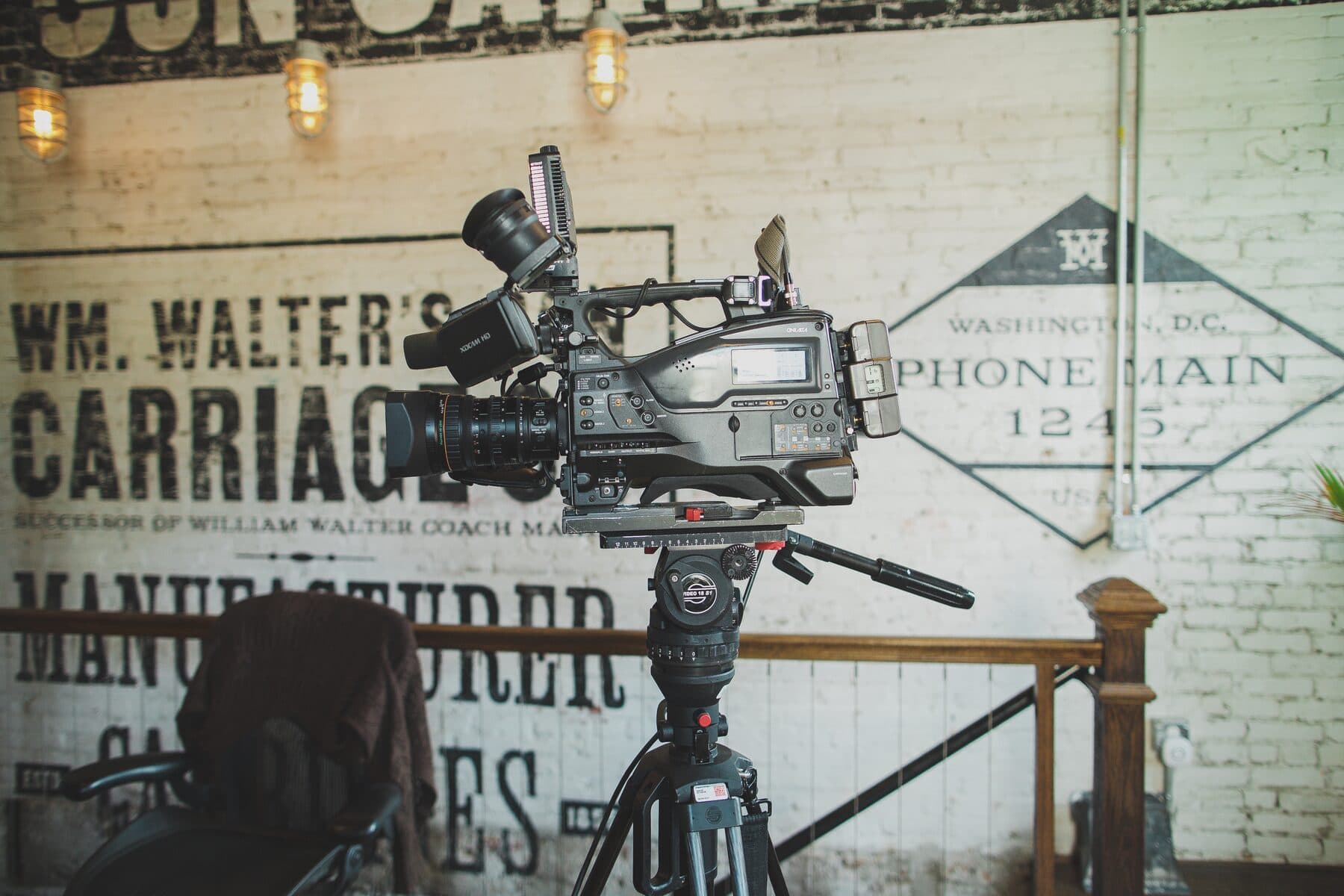
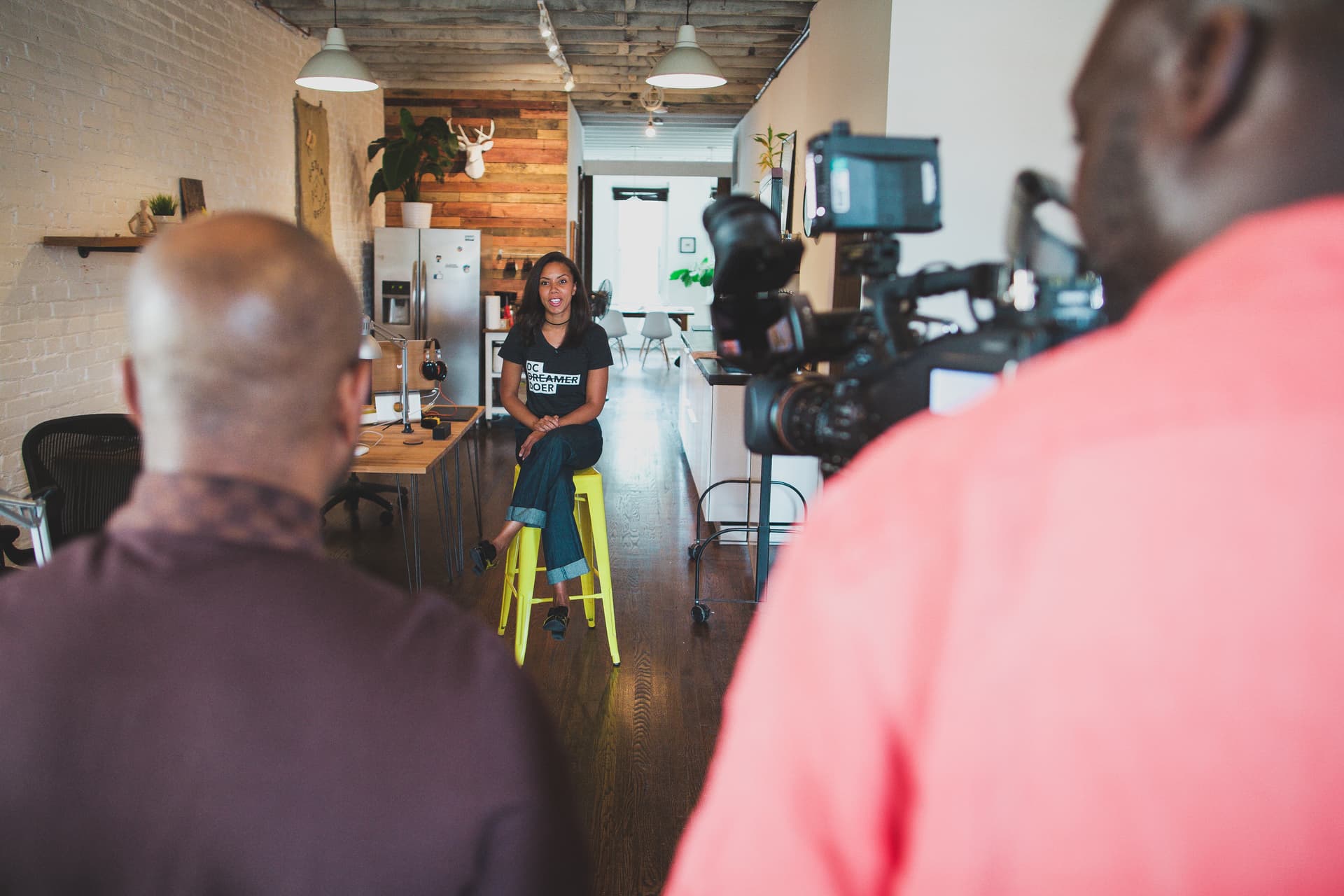
We had been remote since 2016, when Abe moved to Charleston, so the systems were already in place. The carriage house emptied for the year. We retrofitted the studio’s production gear into a broadcast station and kept shooting, recording, and presenting from wherever we were. The Notes archive grew through the year. We thought the dust would settle into a permanent work-from-home for the studio. It did.
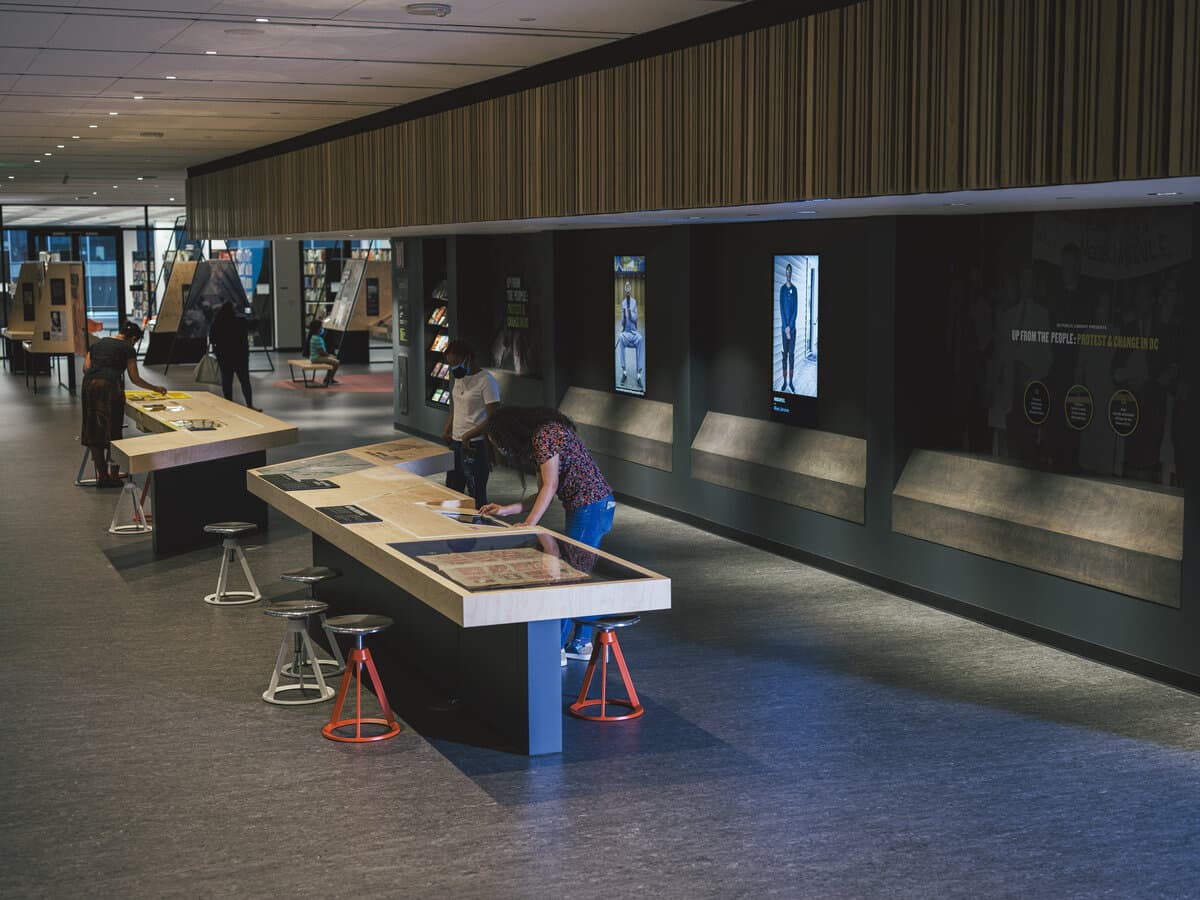
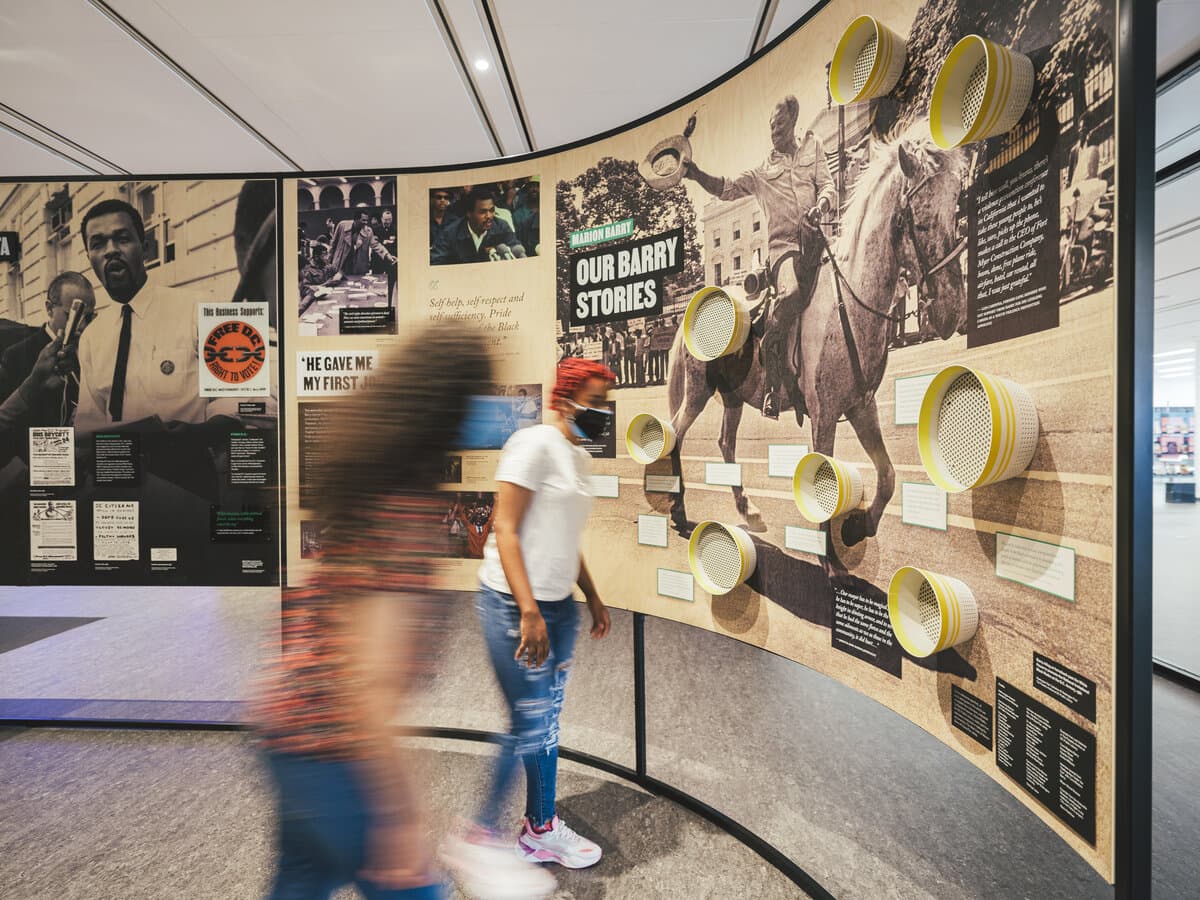
The studio’s largest project at that point opened the same year. The Martin Luther King Jr. Memorial Library reopened after a decades-long renovation, and the permanent exhibition we designed, Up from the People: Protest and Change in DC, traces Dr. King’s local organizing alongside the broader activist landscape that has shaped Washington. We had been working on it since 2019; the work finished through the early months of the pandemic.
Programs that used to fill a hotel ballroom moved into a browser. We used our brand-forward method to help institutions like Giffords and the ADL create cohesive online event experiences.
MLK Memorial Library, Washington, DC · 2020


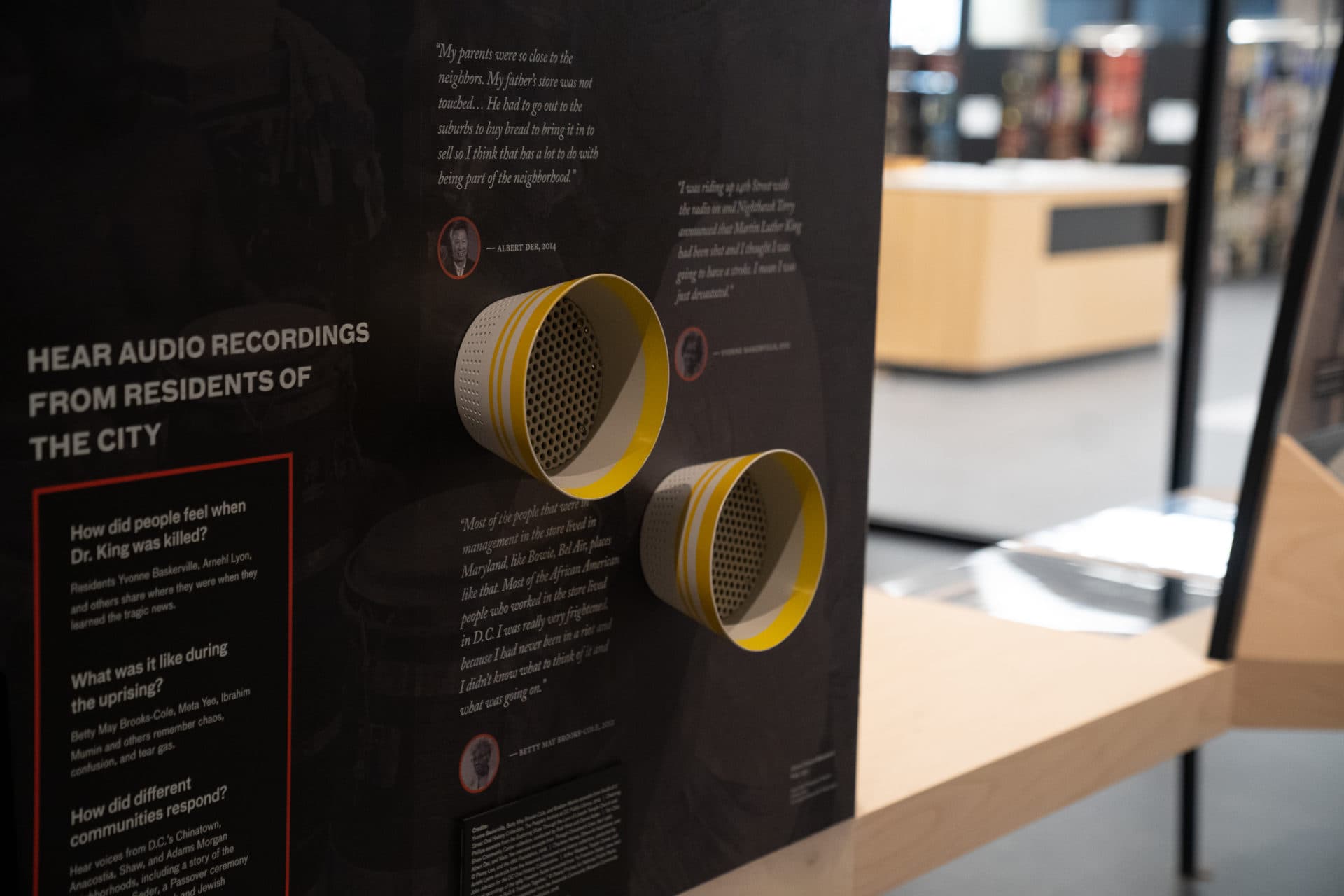
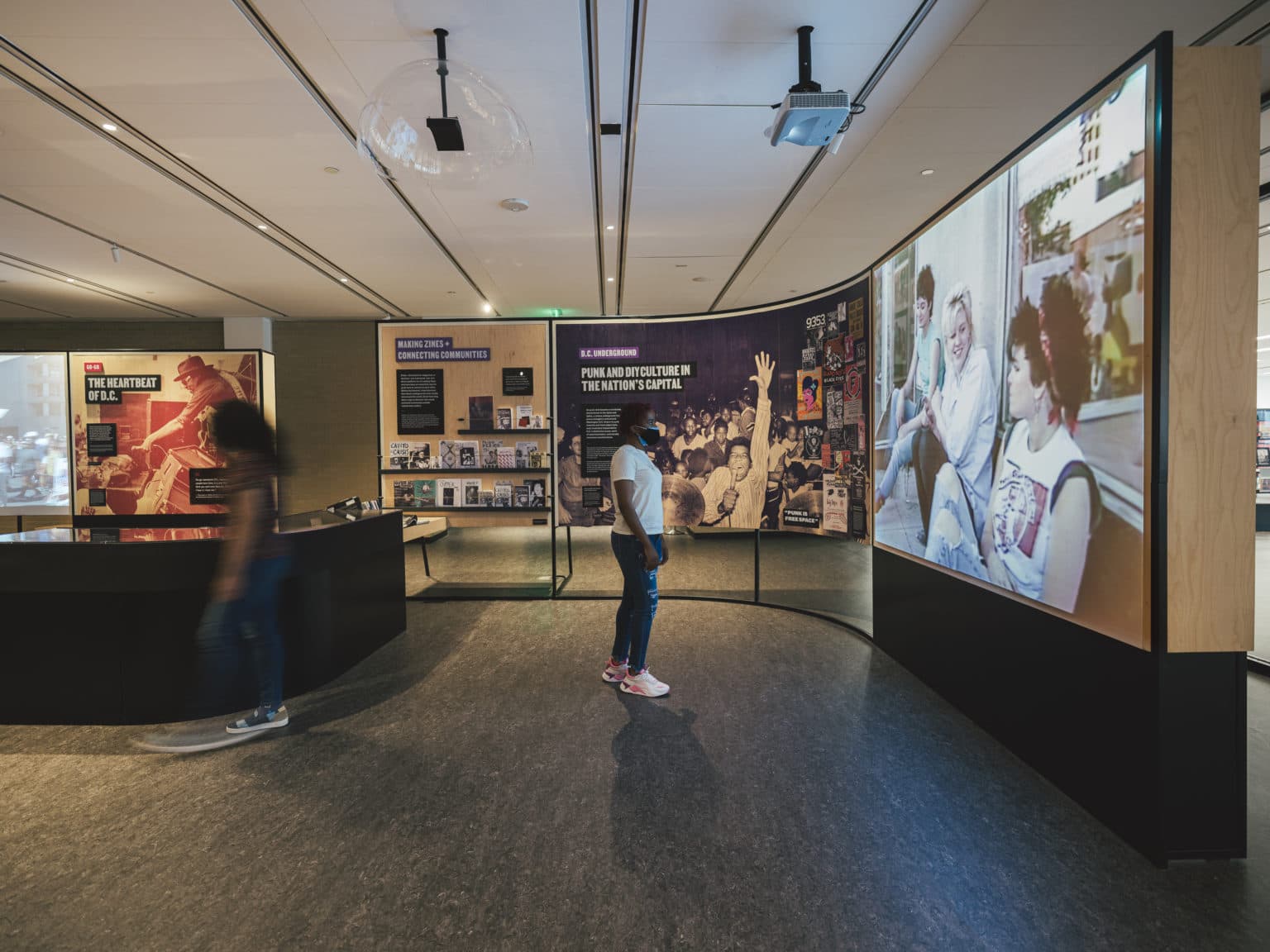
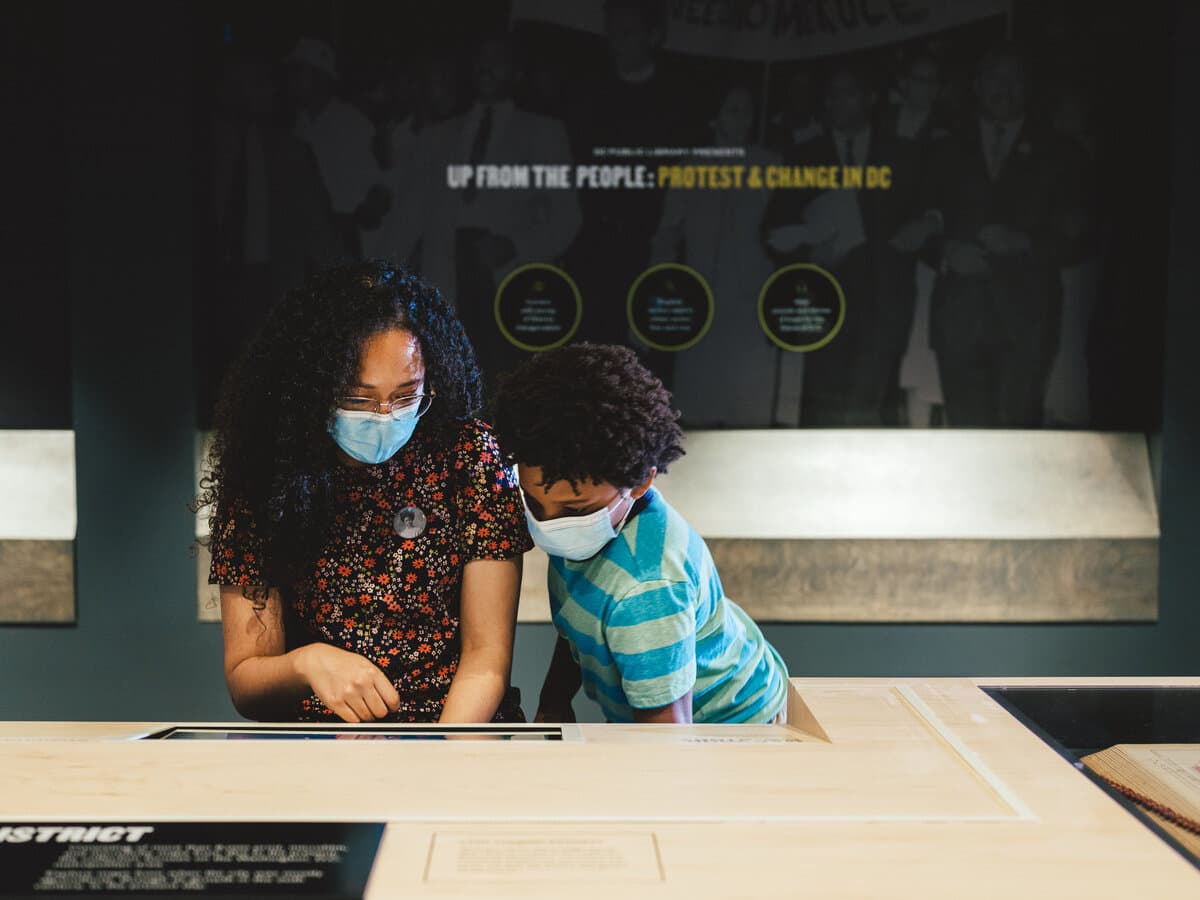
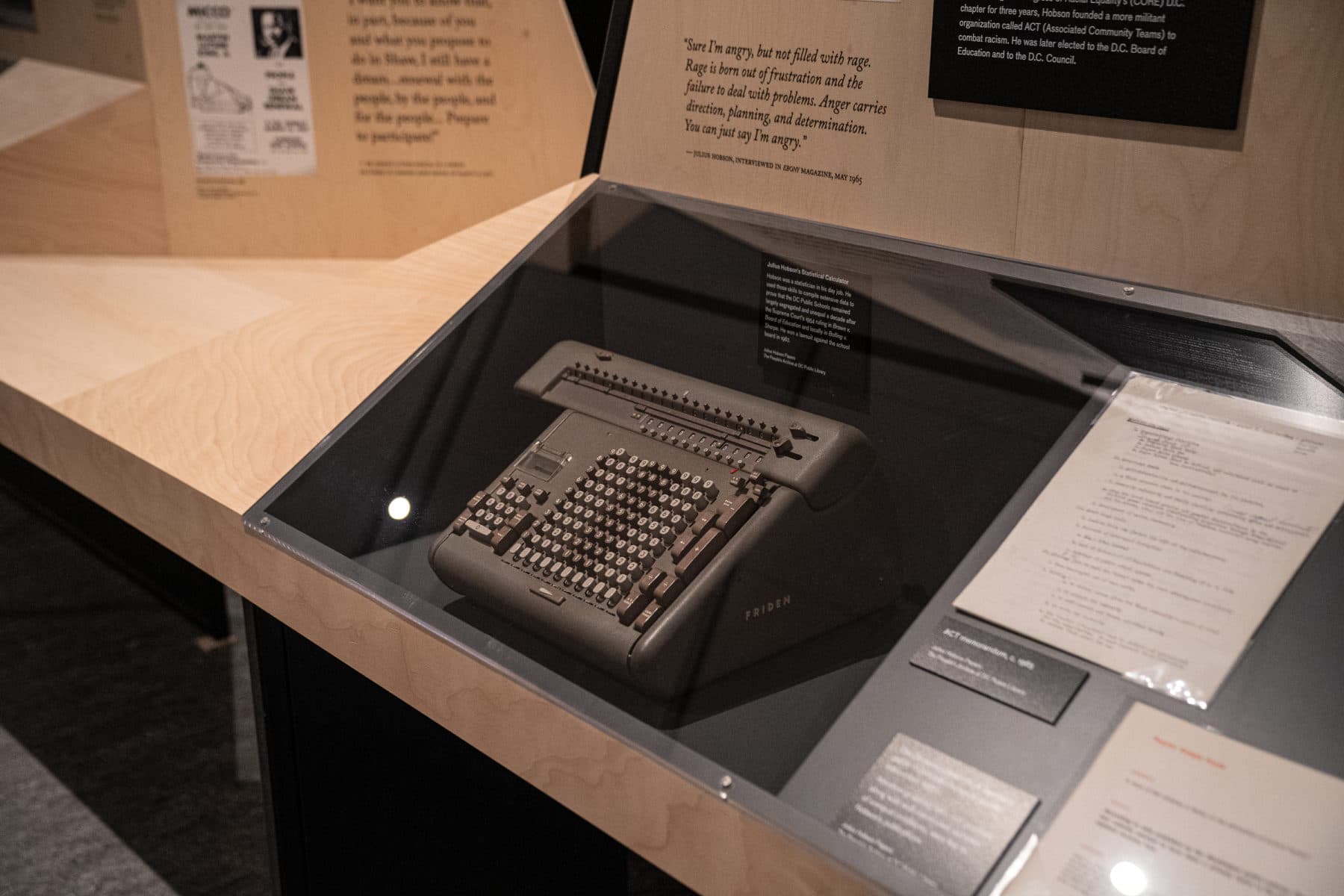
Workhorse + Decent Workshop
In 2017 we solidified our yearslong collaboration with Decent Workshop and merged our practices. We focused on brand design and identity alongside digital marketing and influencer marketing.
The work moved across every channel and surface stayed coherent on each one. Identity, social, paid media, email, environments. We treated the digital channels with the same discipline and craft that we had brought to print.
The carriage house pulled double duty as workshop and venue. We launched Cocktails & Creators. We hosted Dalton Maag for a talk on the state of typography. The events were the studio’s second product.
Growing the practice.
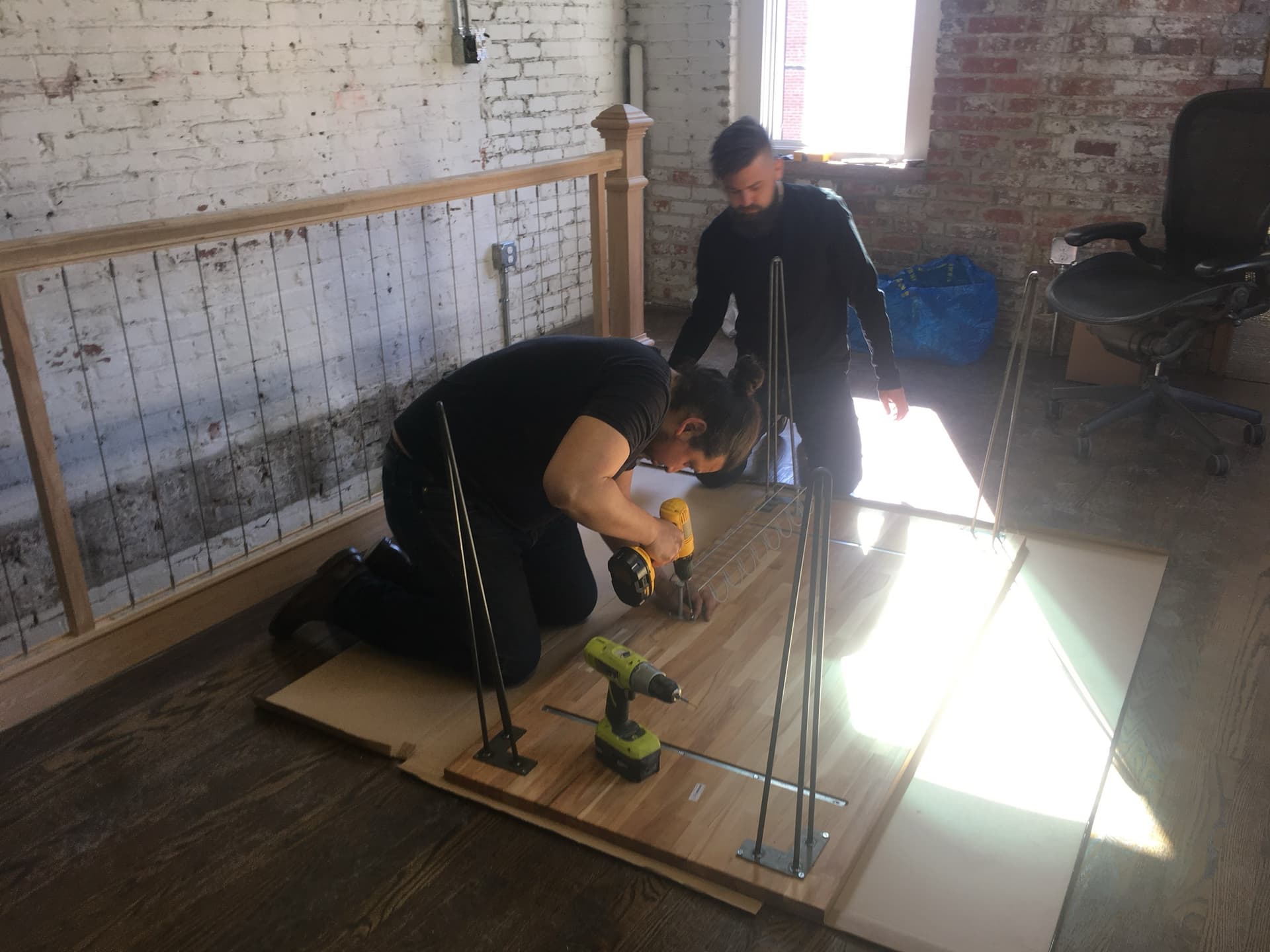
2016 was the year the studio expanded. We brought on collaborators full time, took the entire first floor of the carriage house, and opened a second outpost in Charleston, SC.
We took the first floor.
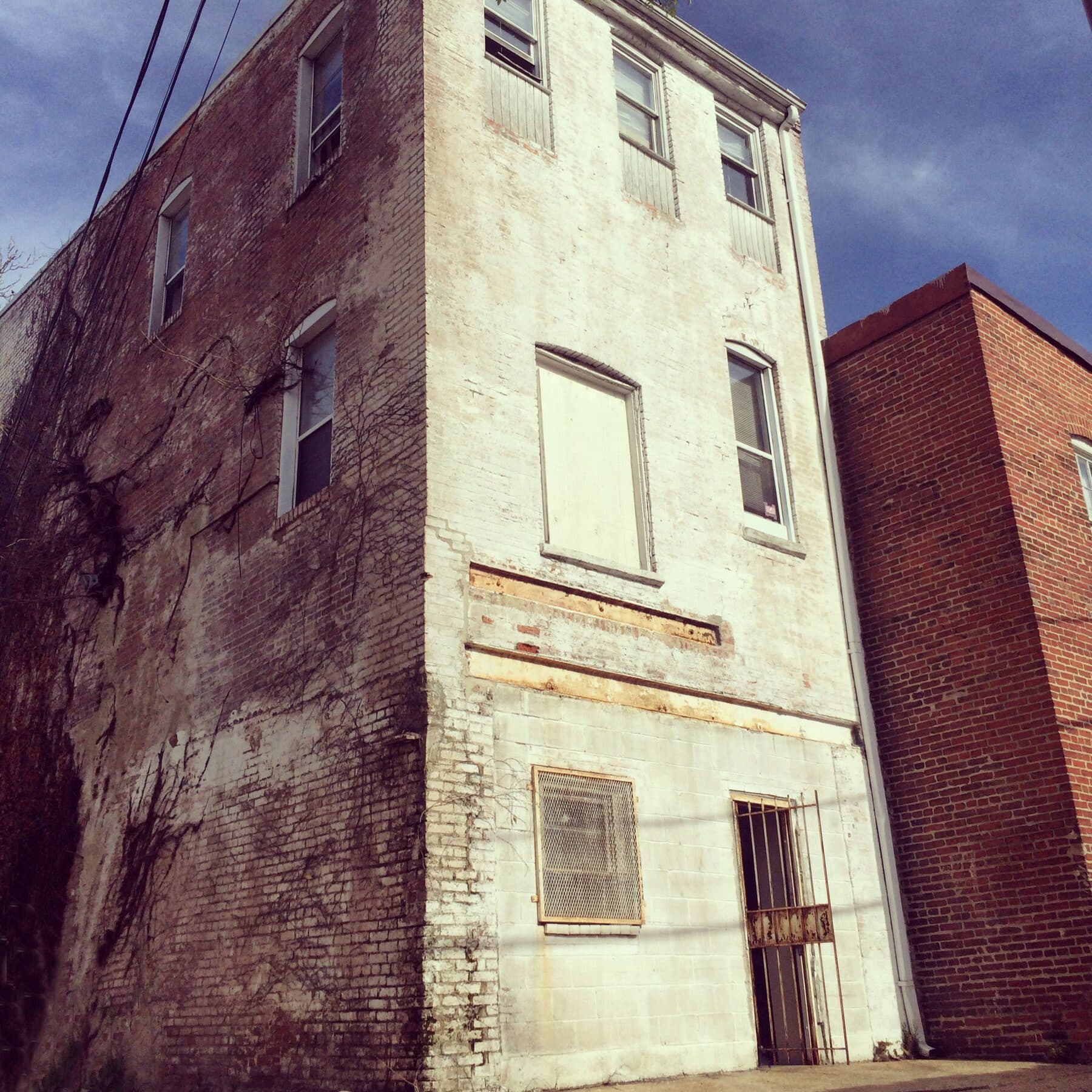
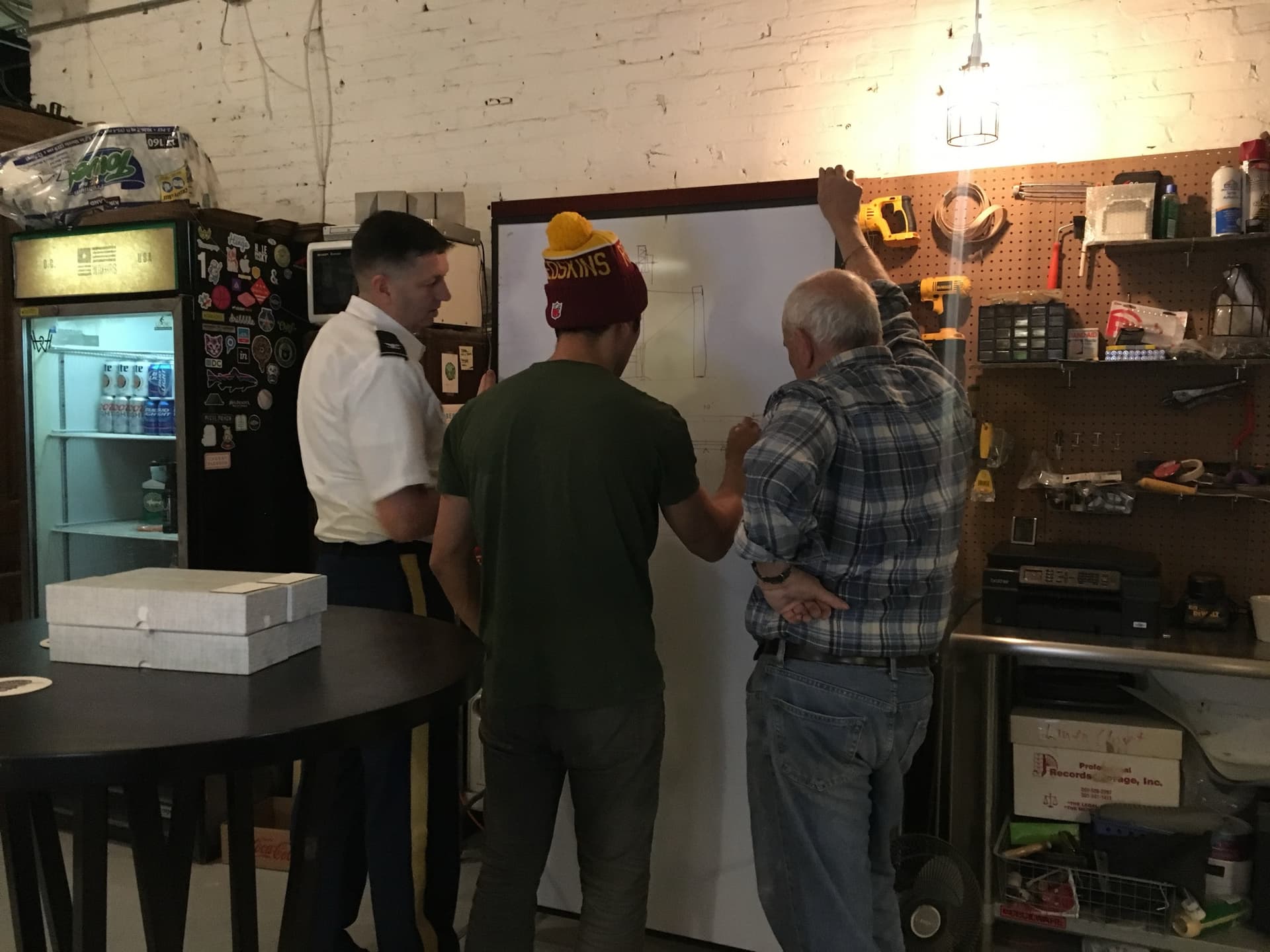
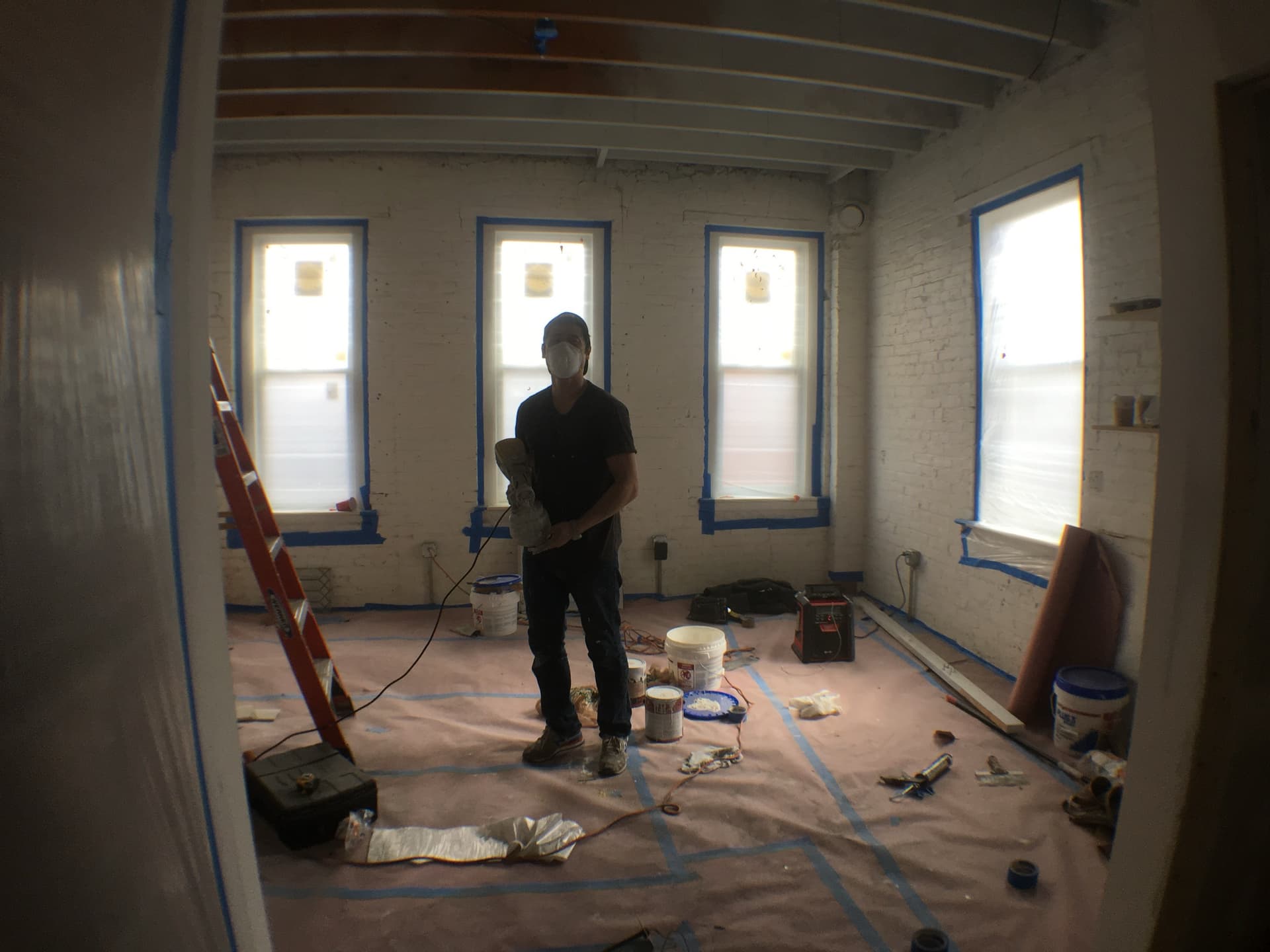
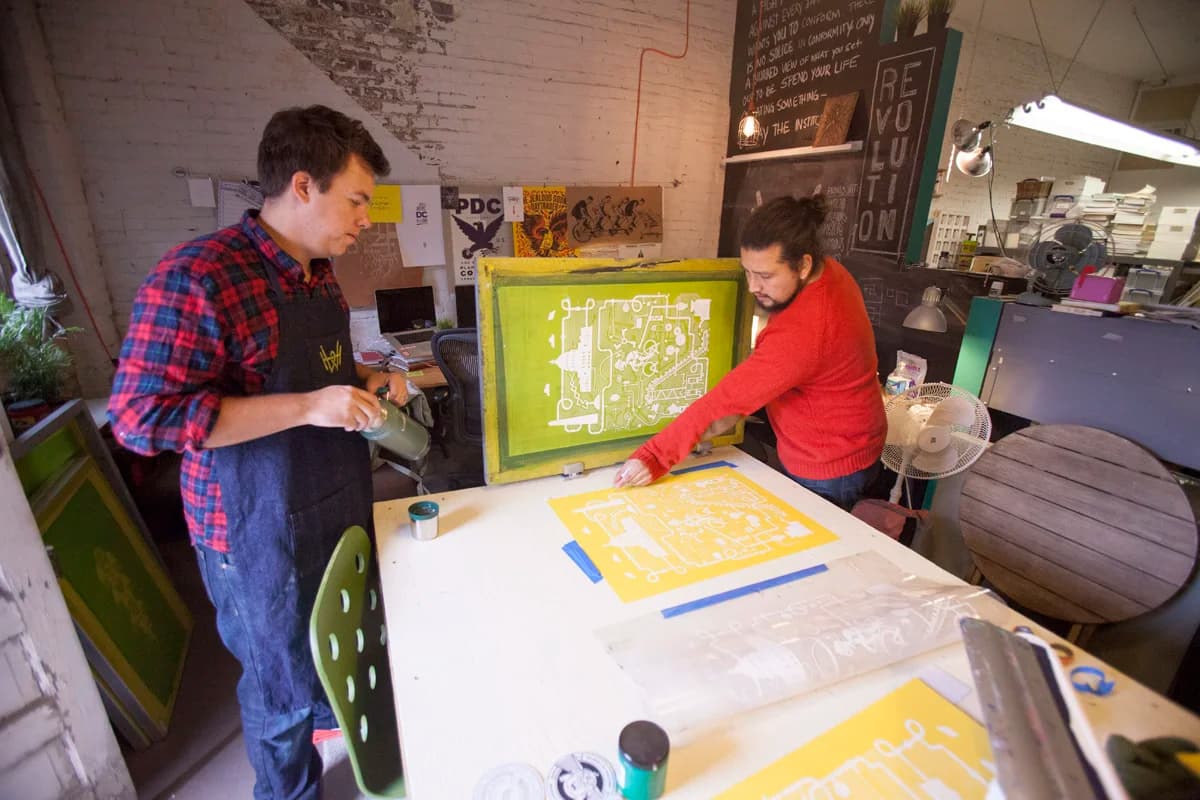
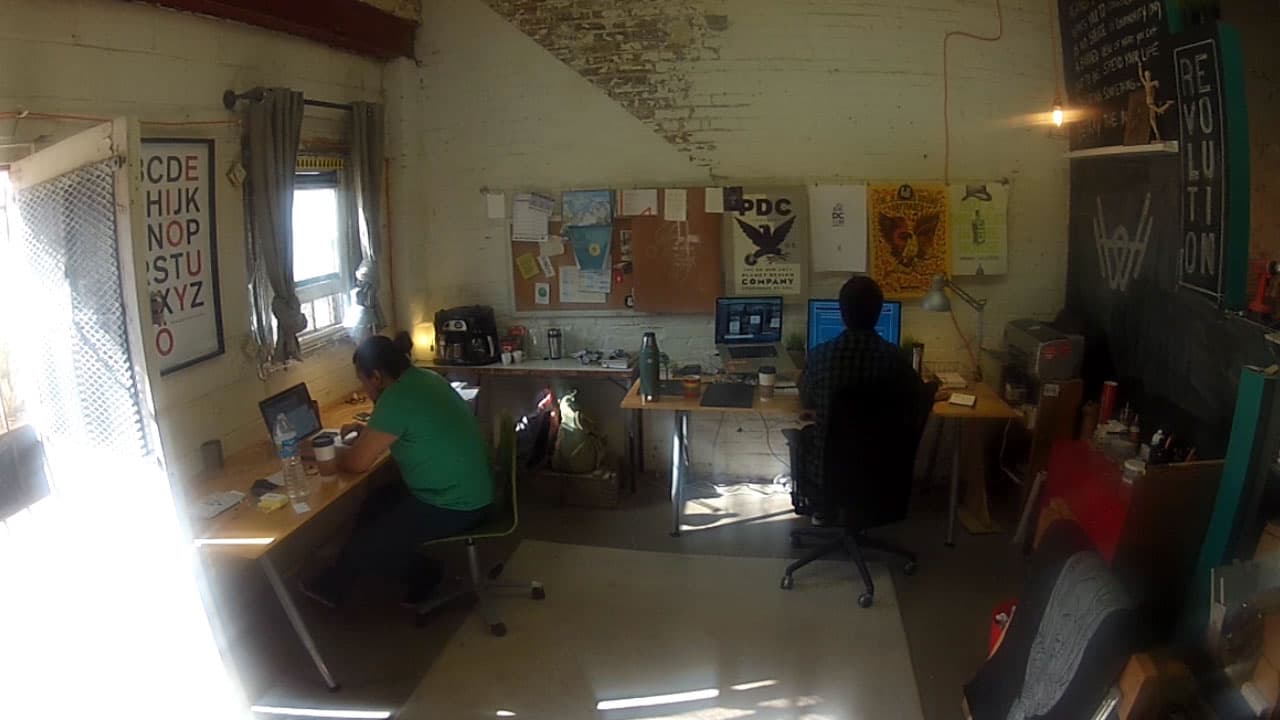
We had opened in 2014 inside a single studio room on Capitol Hill. In 2016 we took the entire first floor of the carriage house. The freight doors stayed.
A ghost sign, drawn from LOC archives.
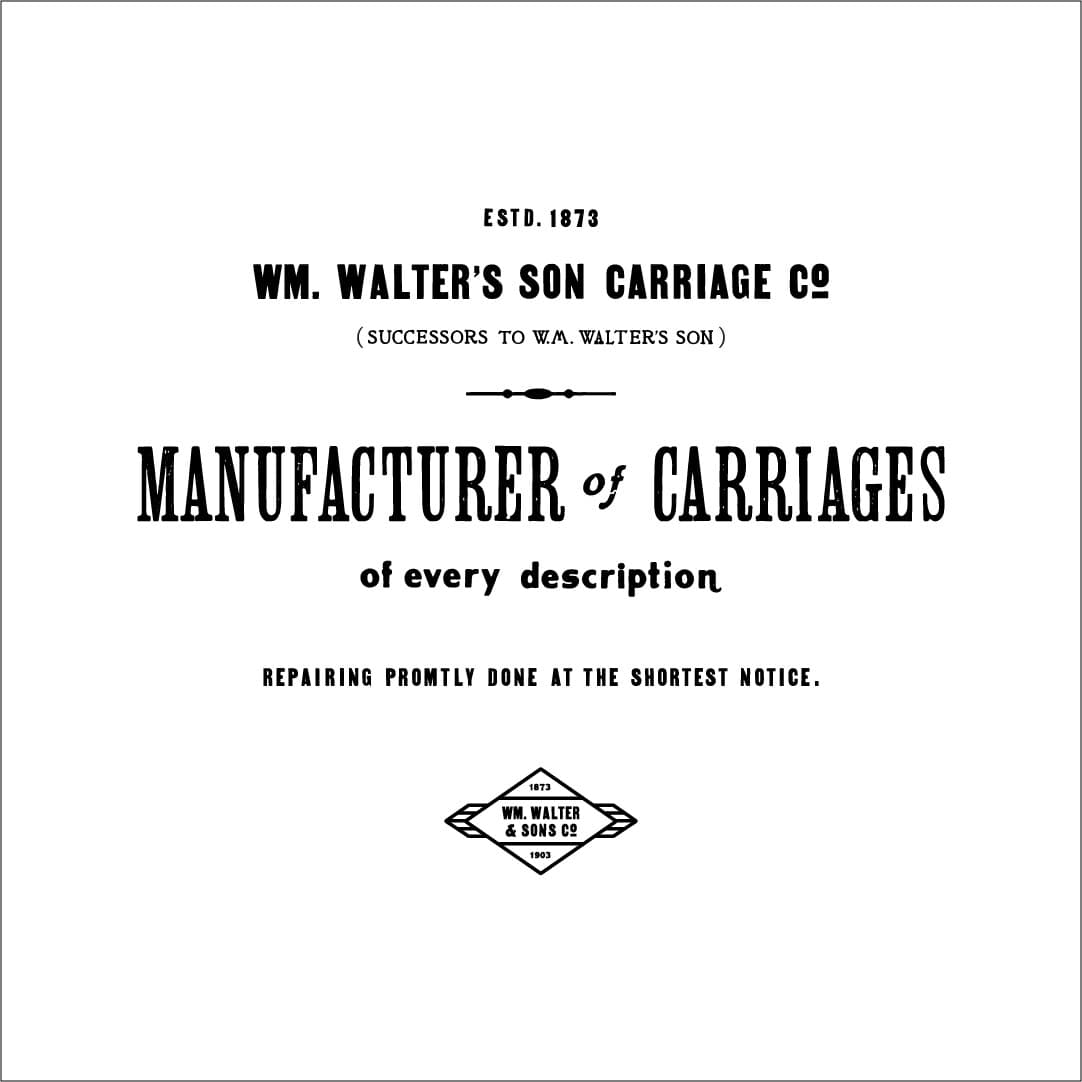
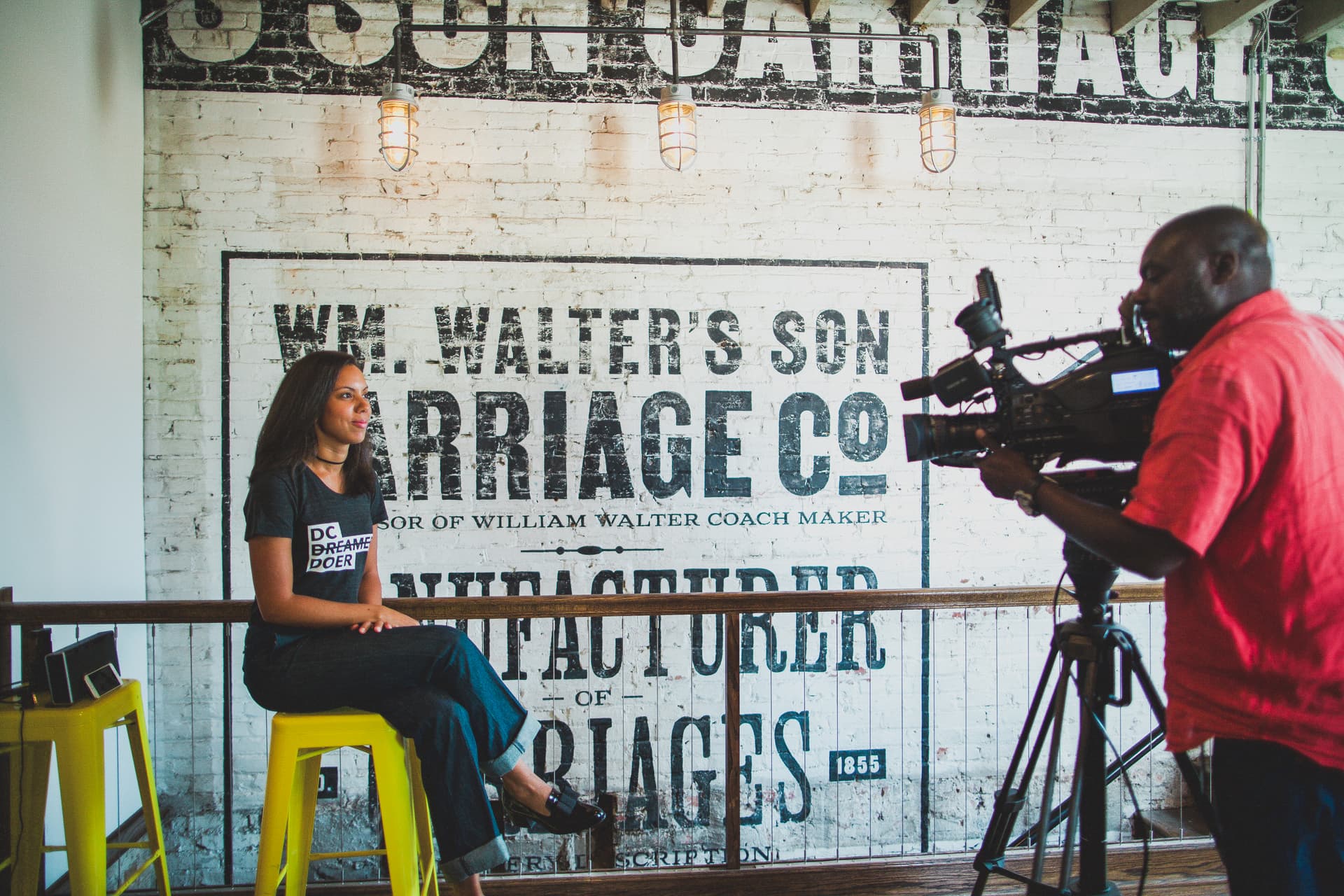
Typography for the studio’s signage came from research at the Library of Congress. We drew a Wm. Walter and Son ghost sign and painted it on the back wall, after the carriage maker the building was built for in 1902.
A second outpost, in Charleston.
We opened a second outpost in Charleston, SC, and started a content partnership in DC that became a merger the following year. One practice, two cities. The studio does brand, identity, content, environments, and the software that carries them, wherever the work sits.
1902 carriage house, Capitol Hill · 2016
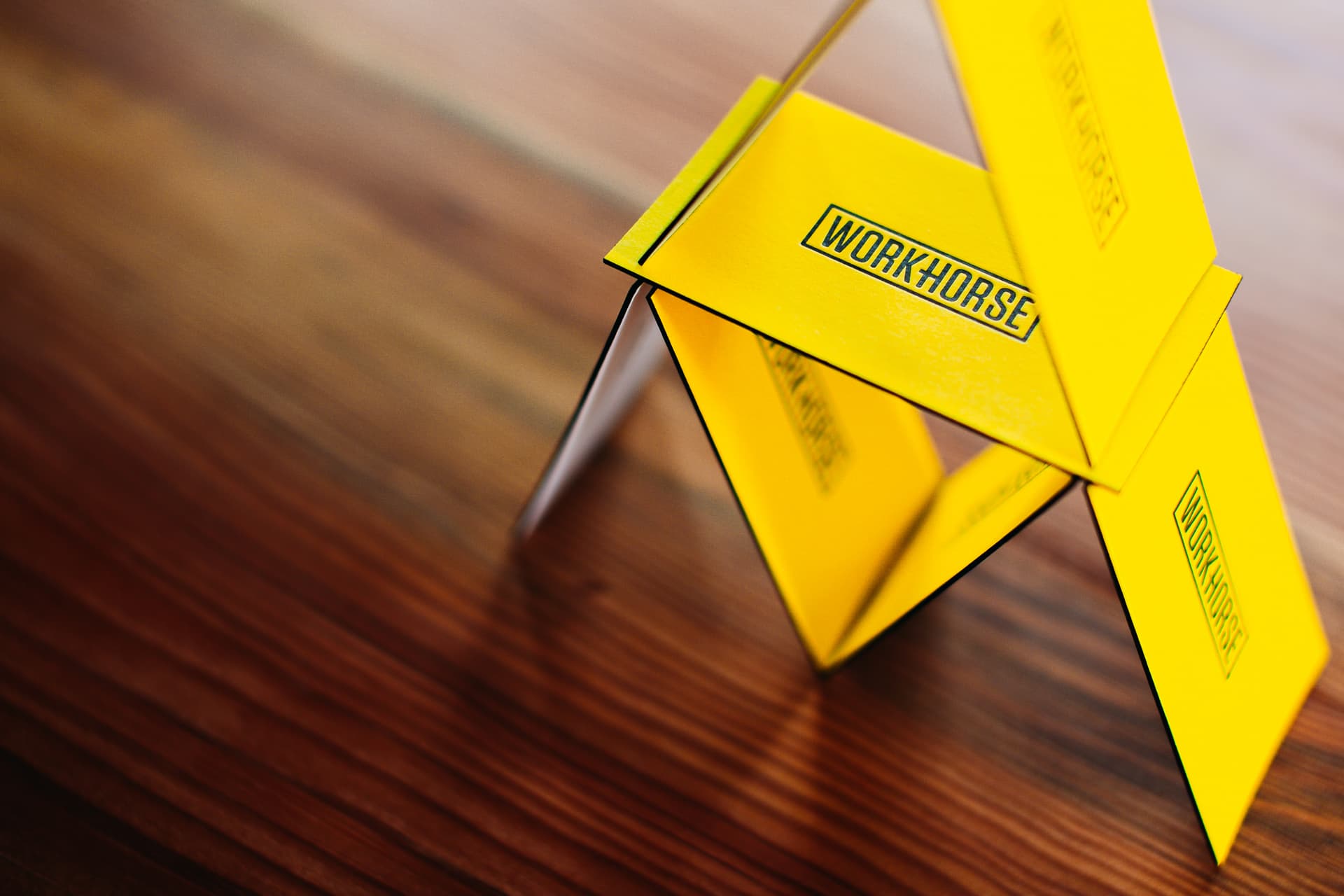
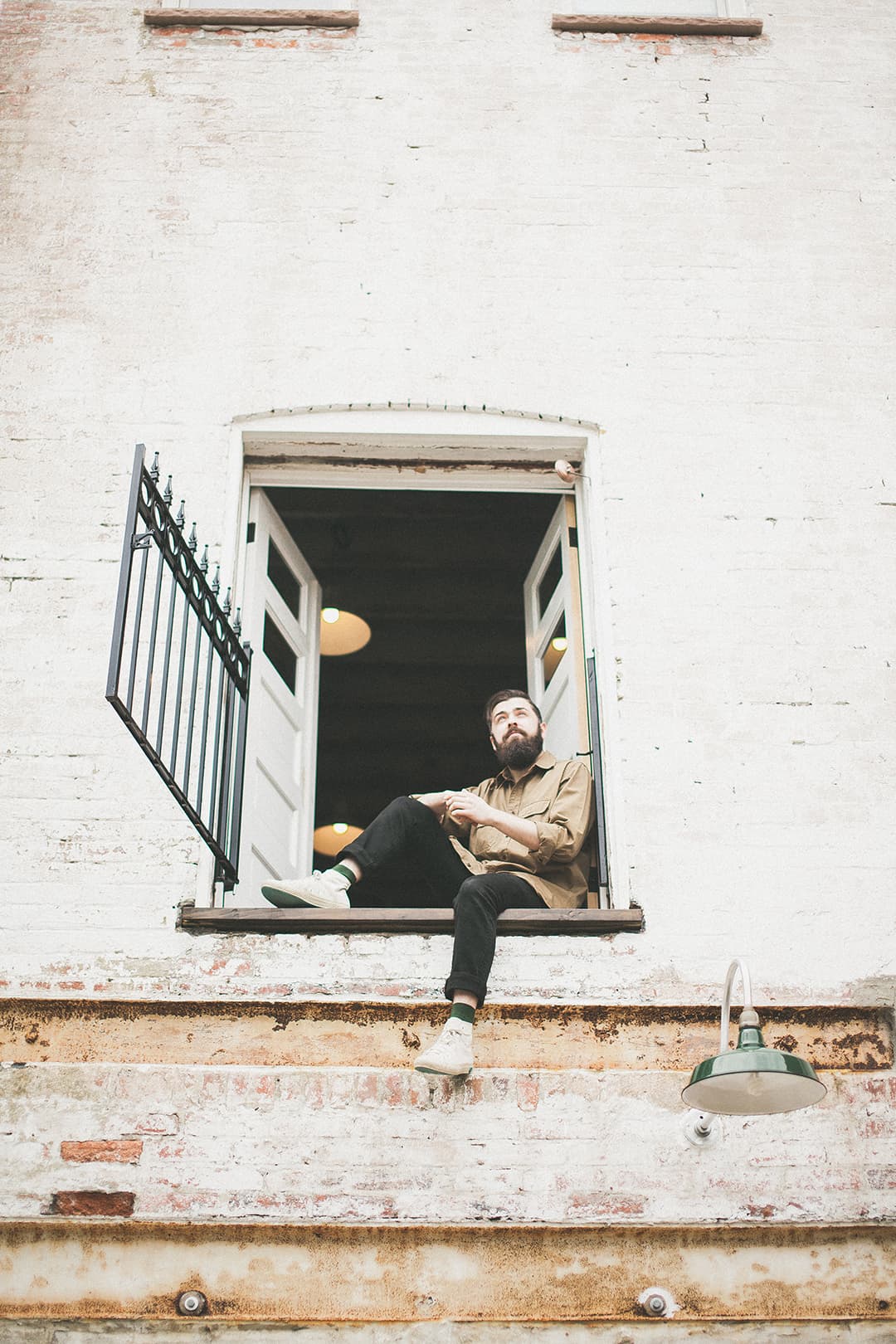
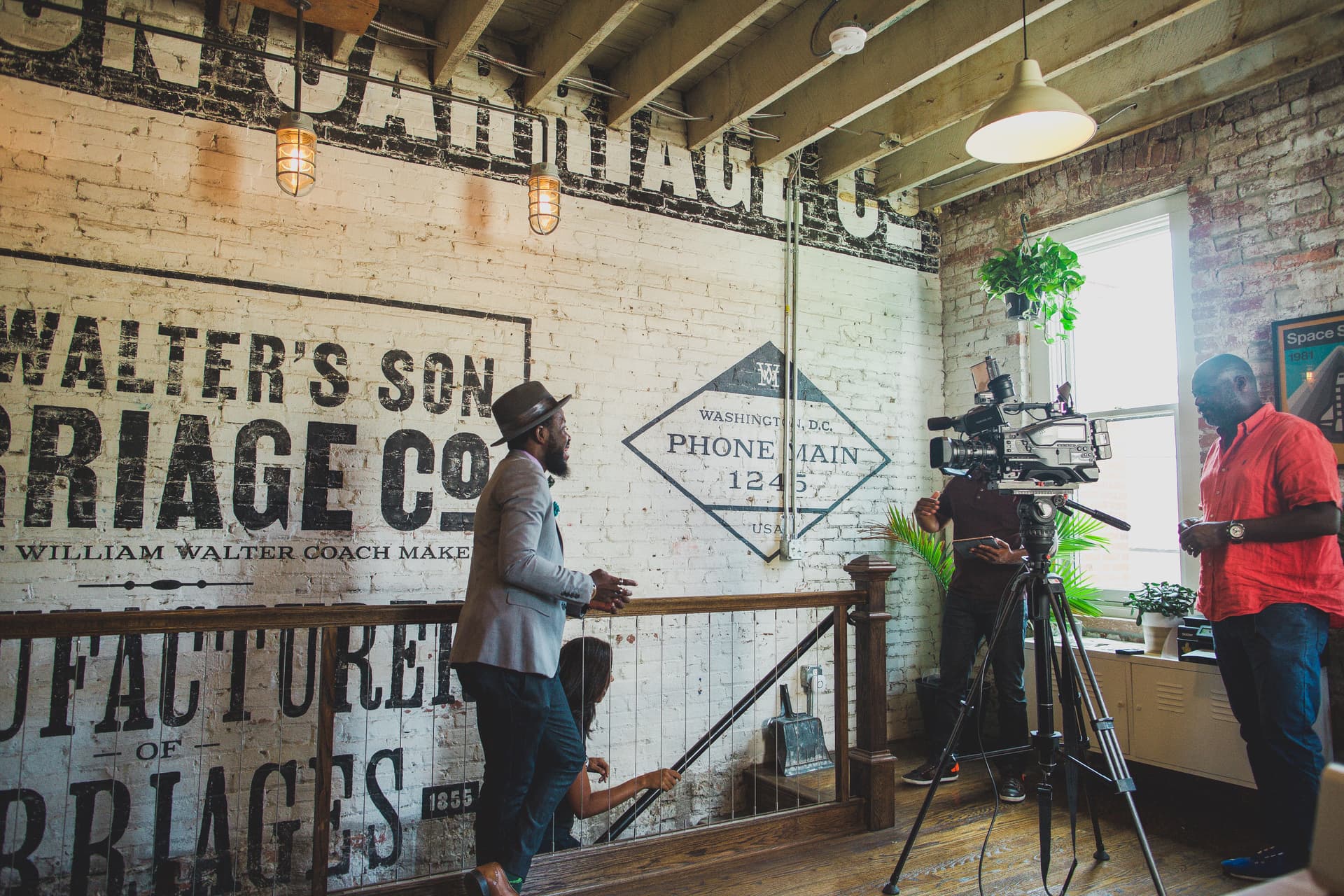
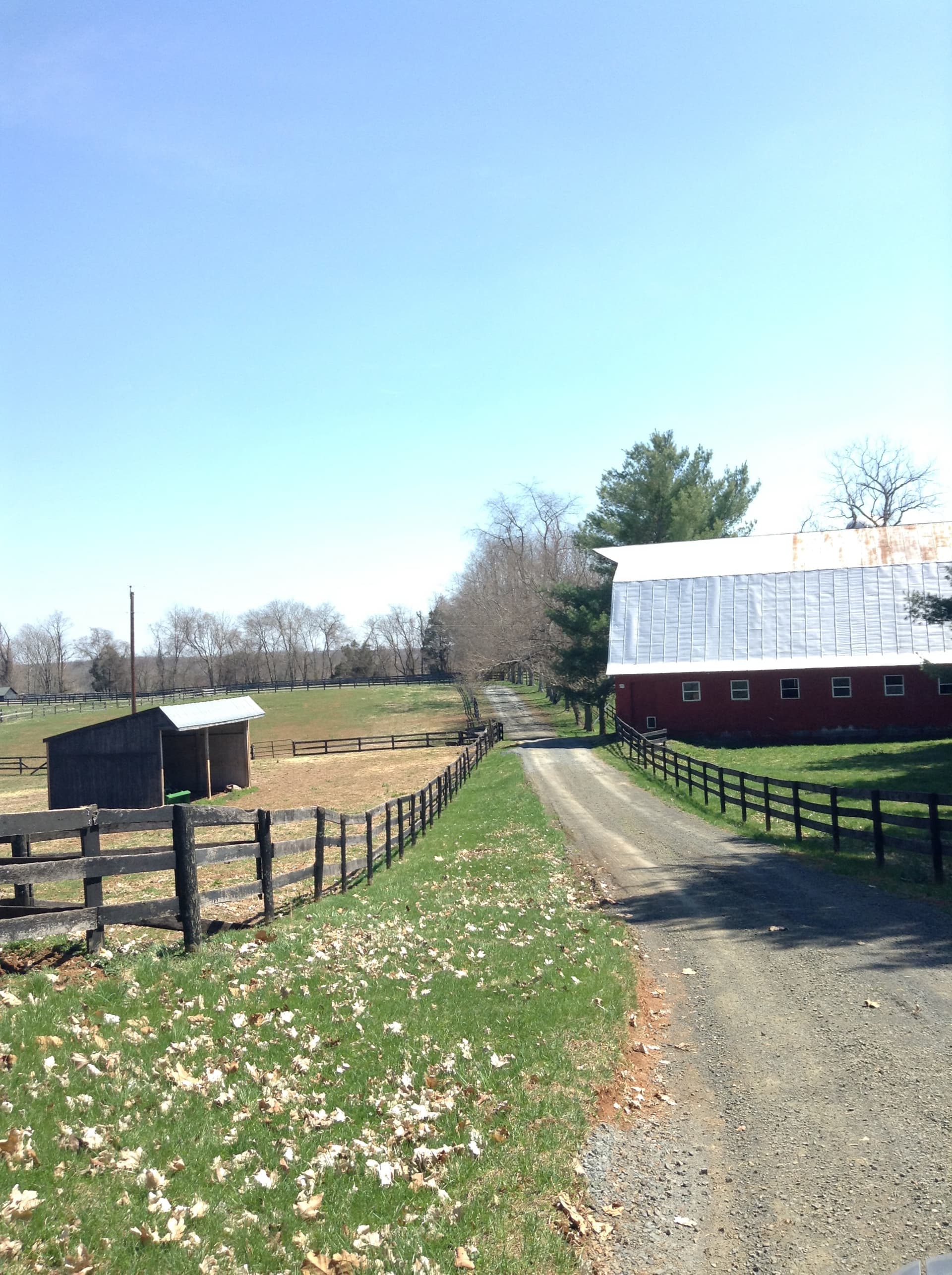
We opened between a carriage house and a farm.
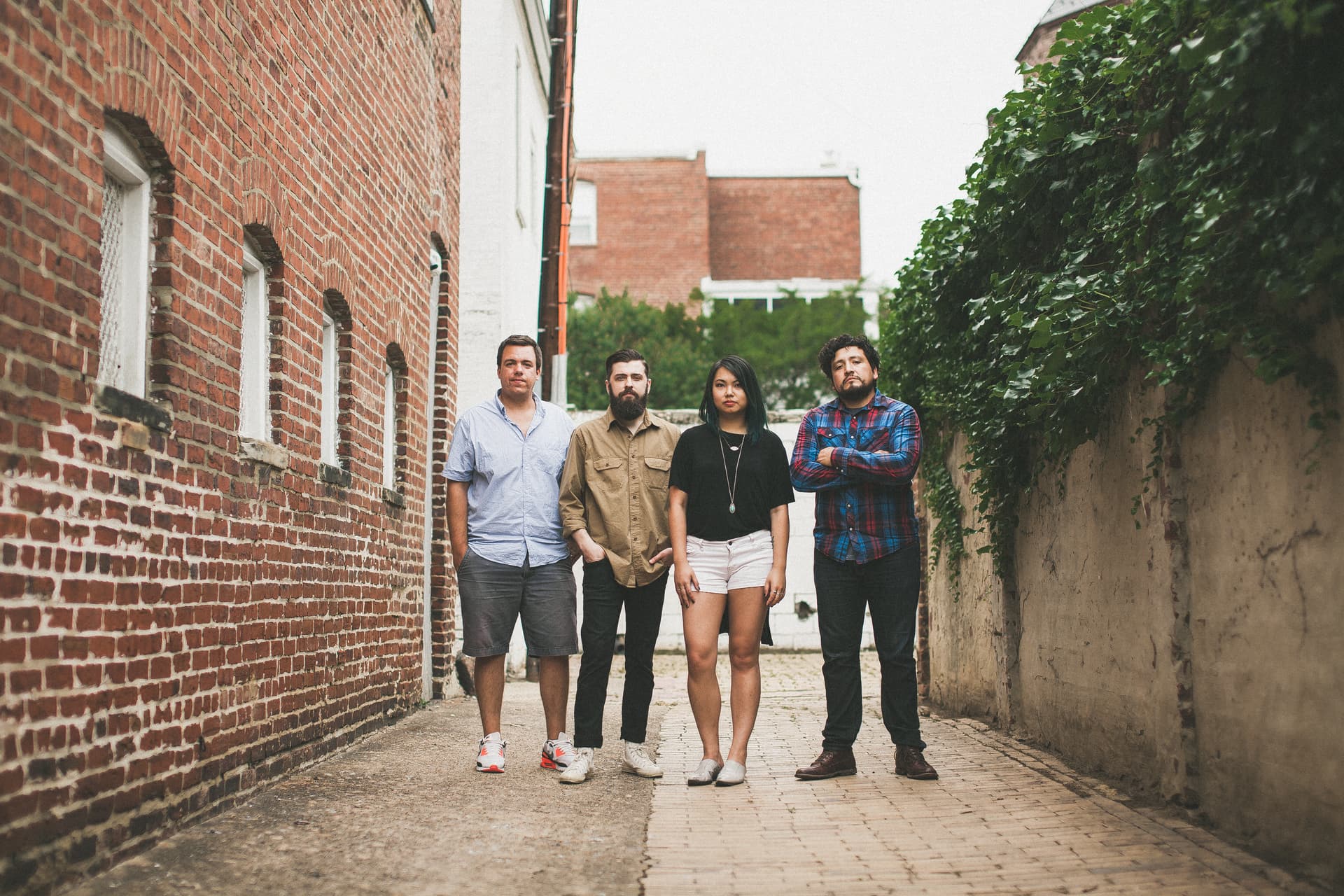
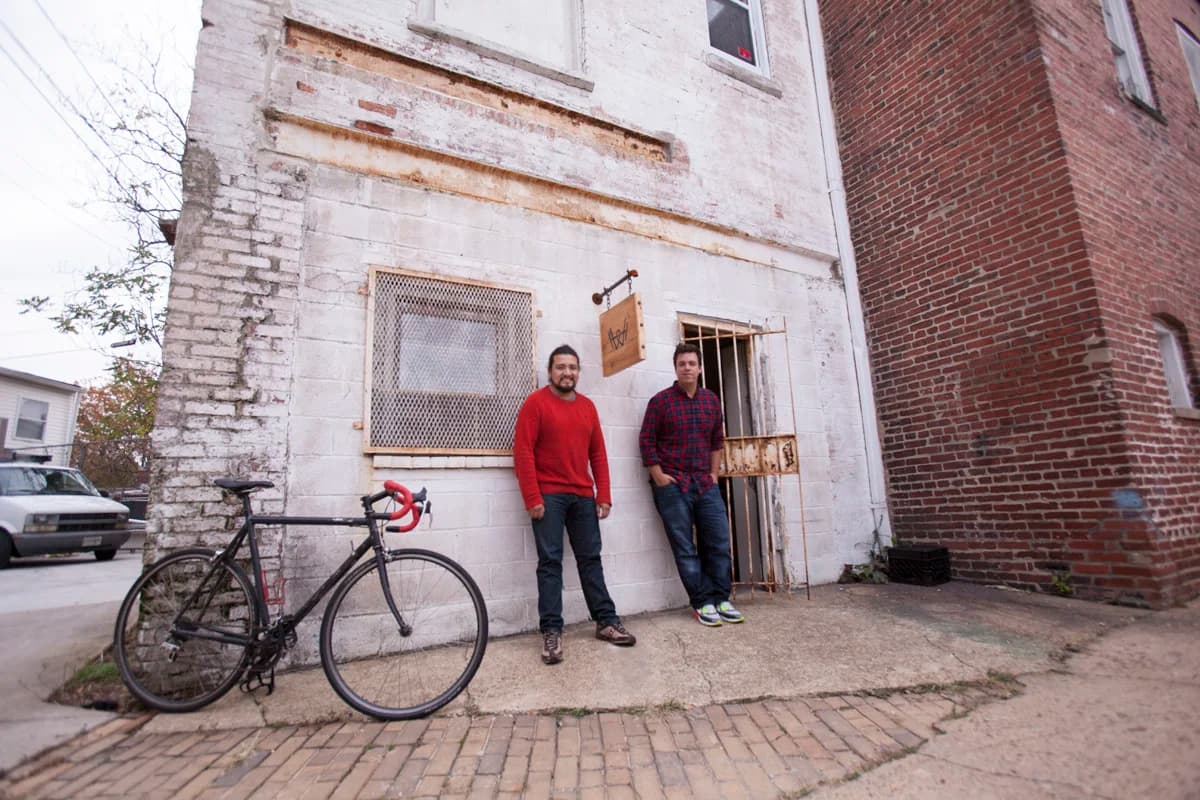
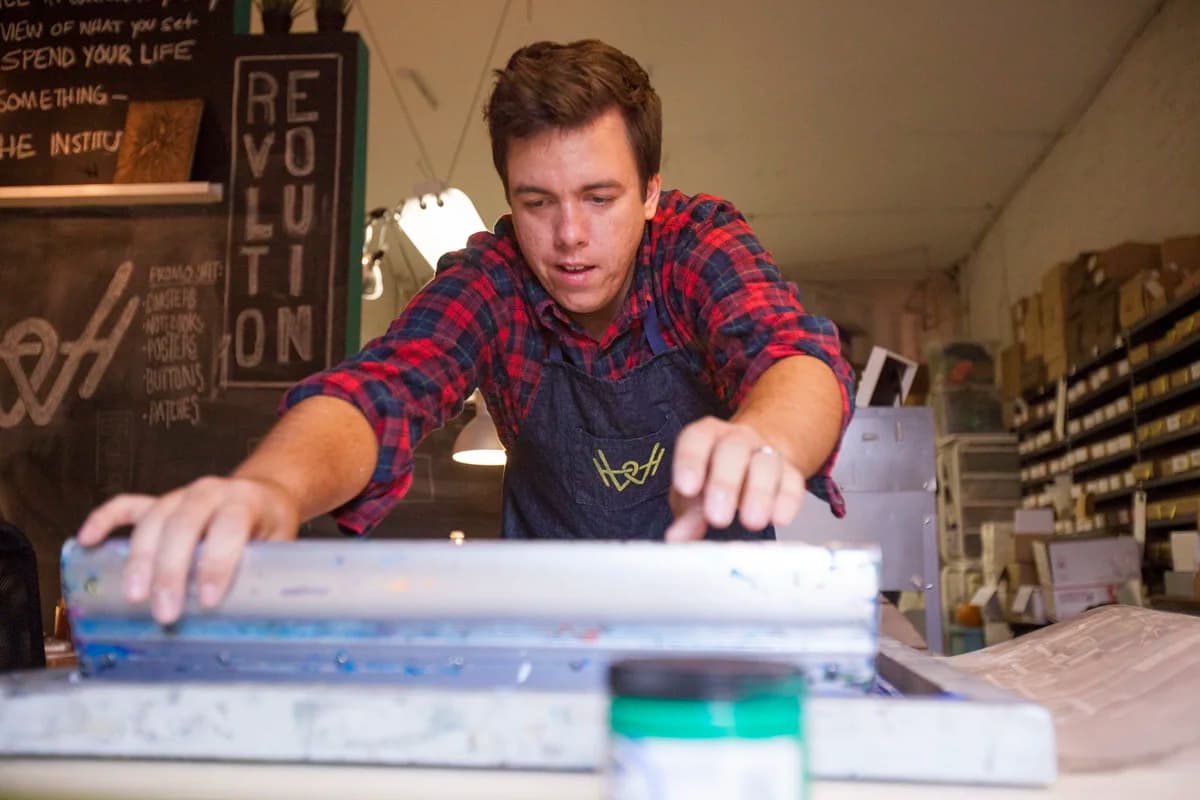
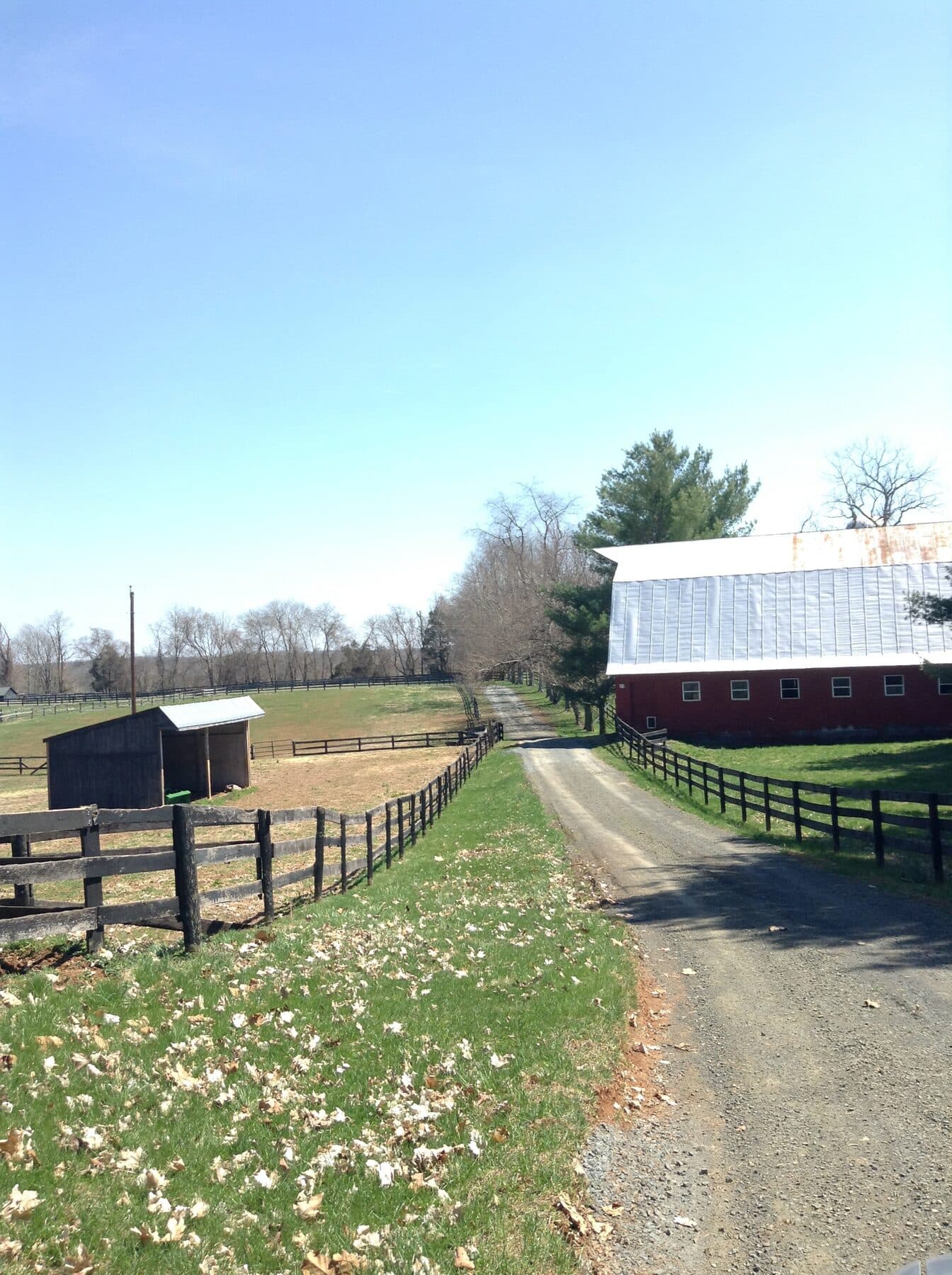
Abe Garcia and Tj Cichecki opened Workhorse in 2014, in a 1902 carriage house on Capitol Hill in Washington, DC. The building once housed Wm. Walter and Son, a coach maker who built horse carriages by hand on that floor. The studio’s other end was a working farm in Casanova, Virginia.
We started with a belief that has carried every project since: brands are not a facade, they’re the foundation. The DC carriage house was the workshop; the Casanova farm gave the studio its name. Strategic design partners for experts, entrepreneurs, and enterprise was the practice we set out to build. Brands that help experts execute.
Capitol Hill, DC + Casanova, VA · 2014
Twelve years of our own front door.
Five versions of the studio’s site, in service across twelve years. Captures from the Wayback Machine, played back at original viewport. The current one is built on Workbench.
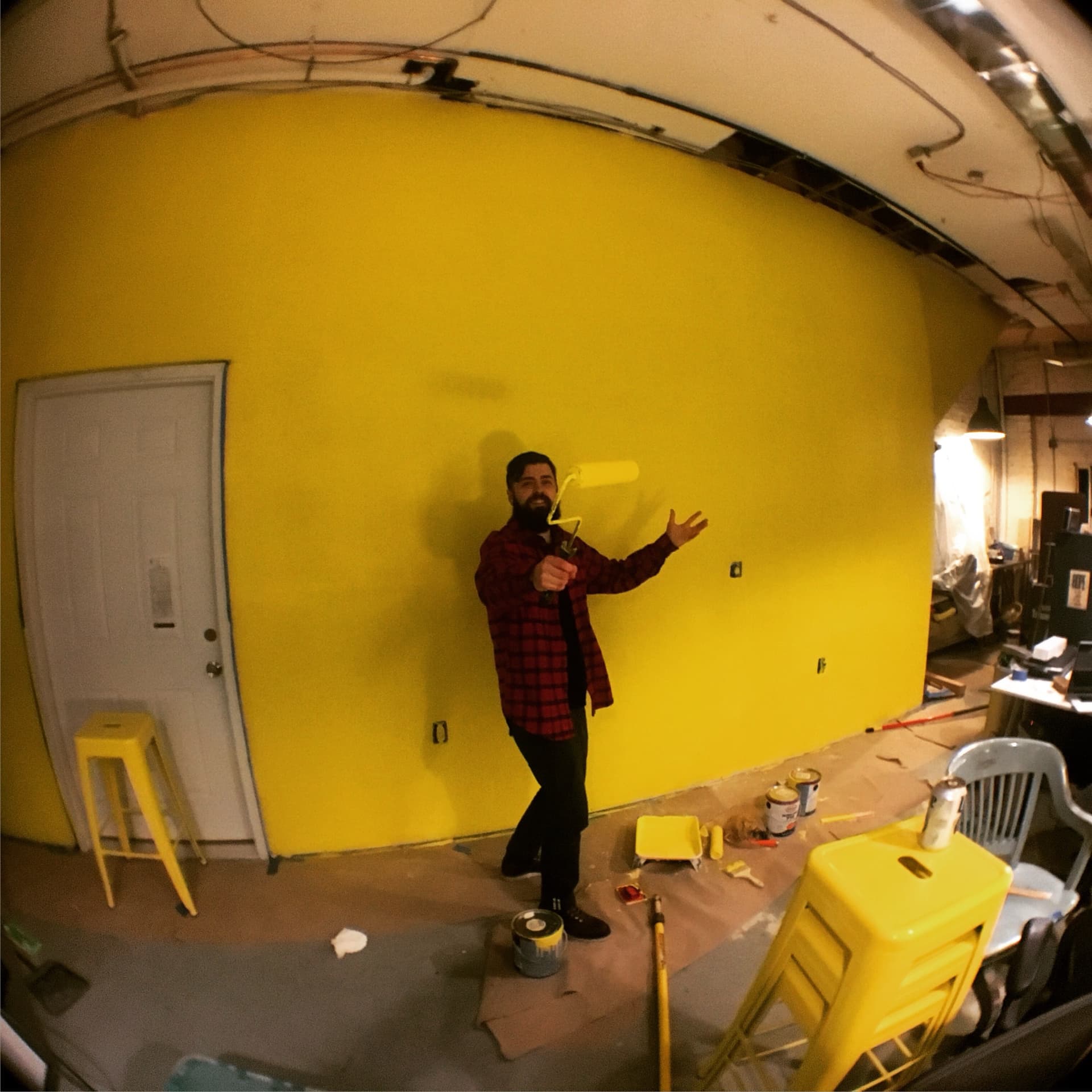
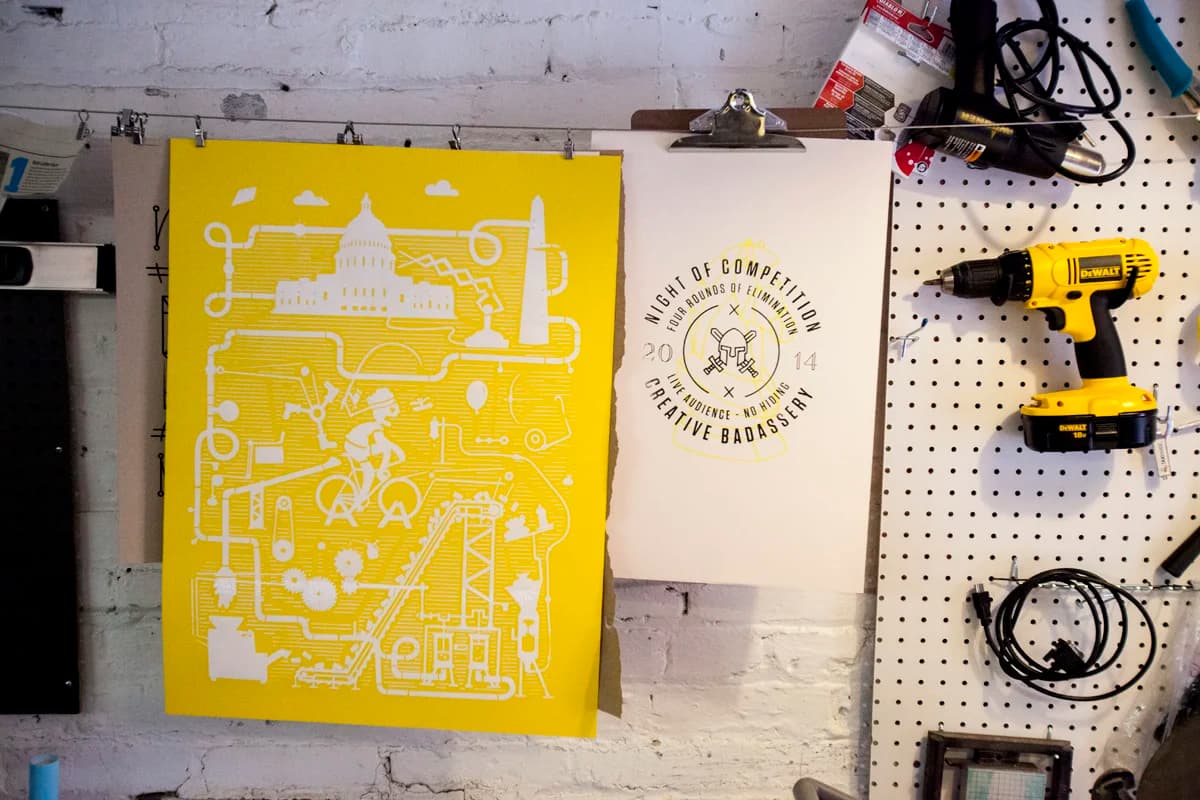
./v12014–2017 2014Yellow ground, with the first tagline: WORK is our favorite four-letter word. ./v1·b2014–2017 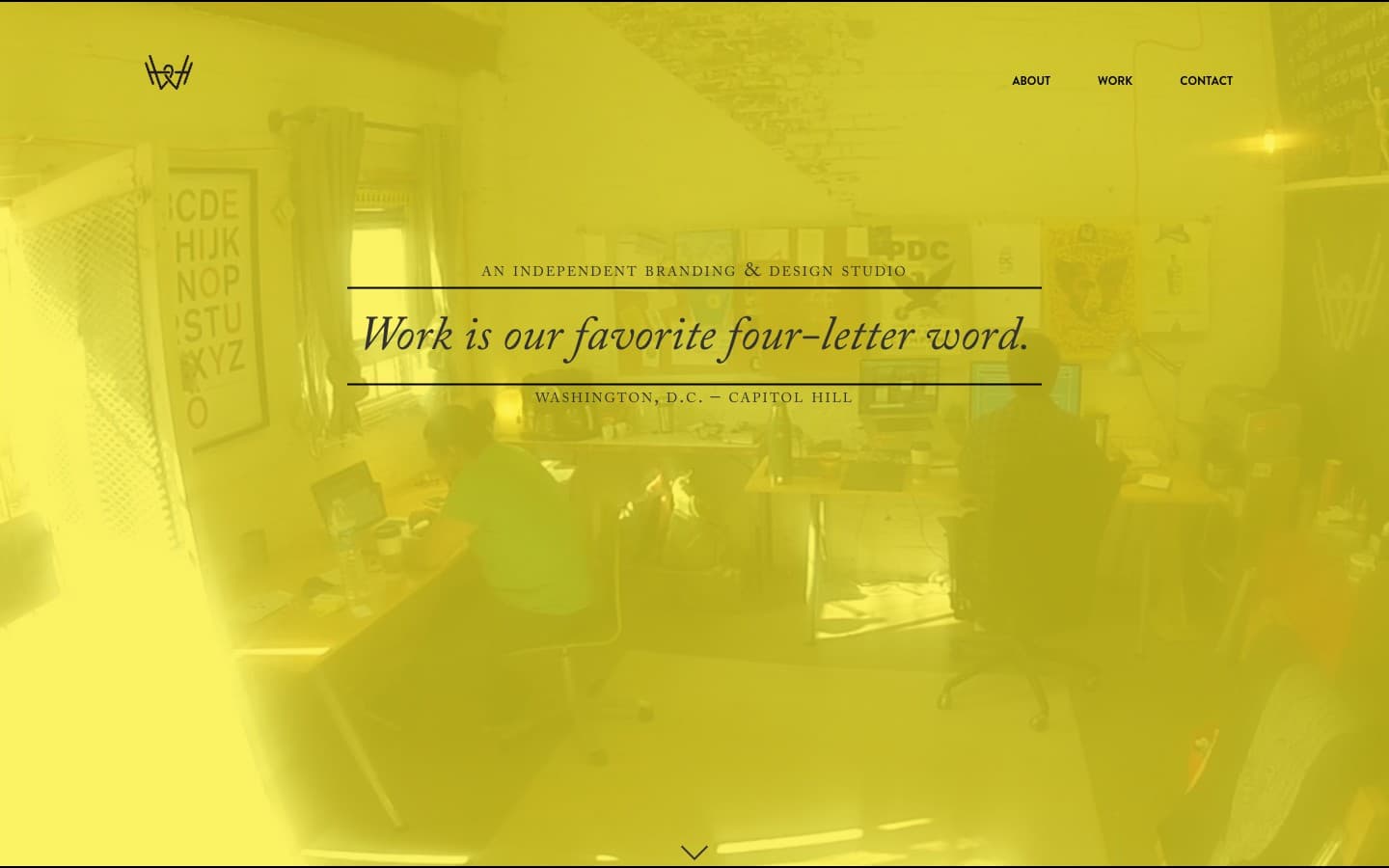
2016Still the v1 site, after the carriage-house renovation. ./v22018 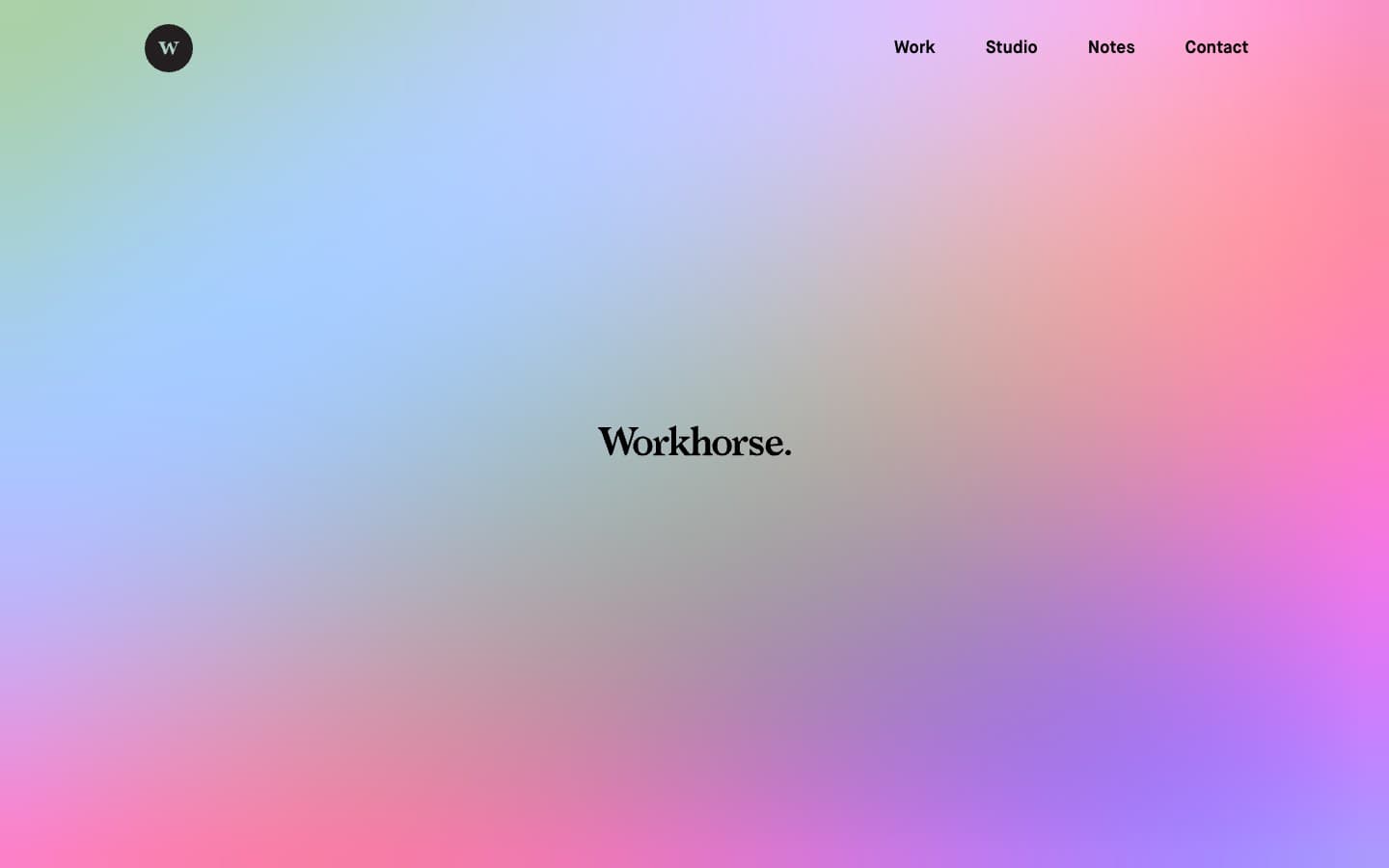
2018Post-merger relaunch with a new gradient mark. ./v32019–2023 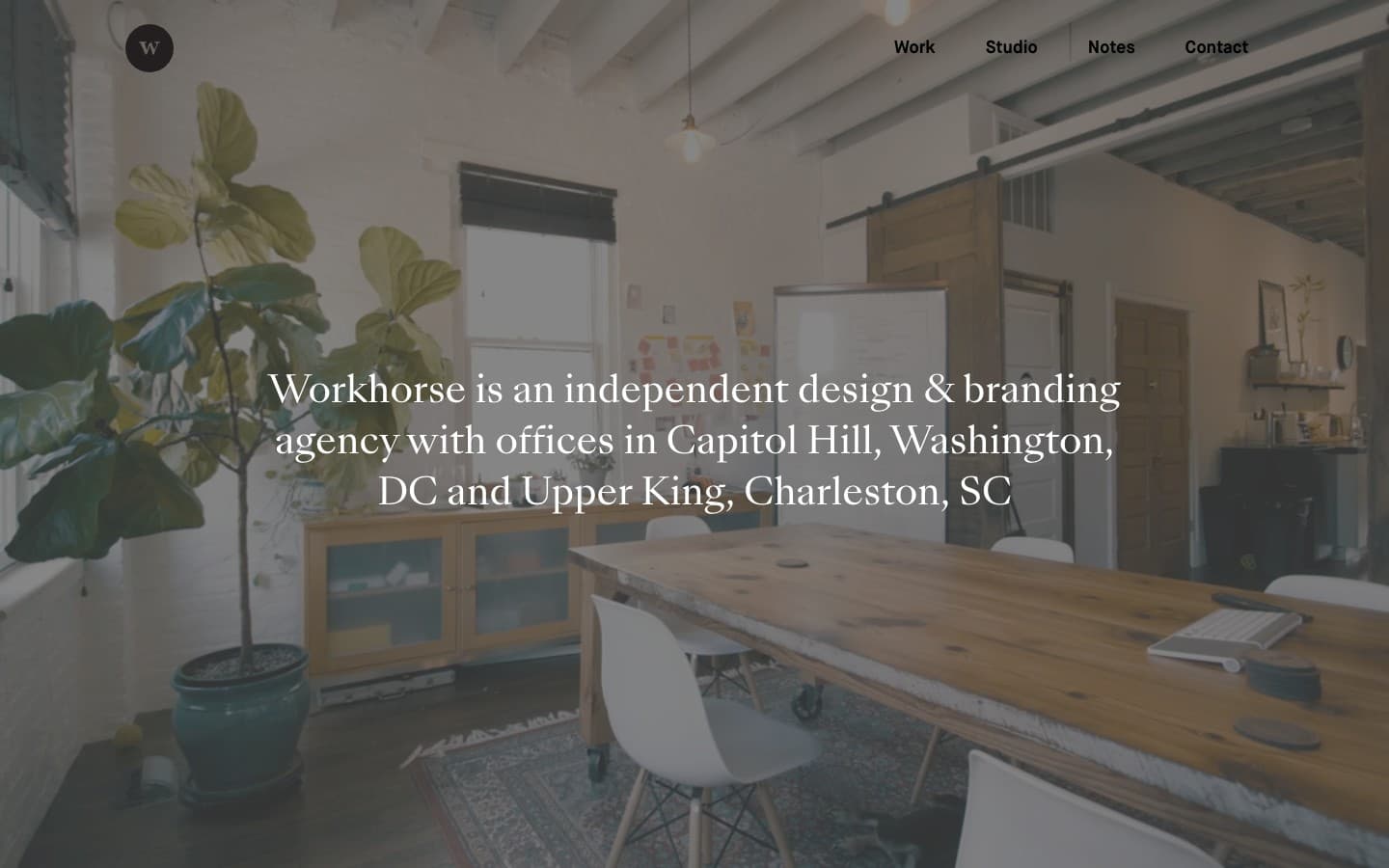
2020Serif redesign, with the studio in frame. ./v42024 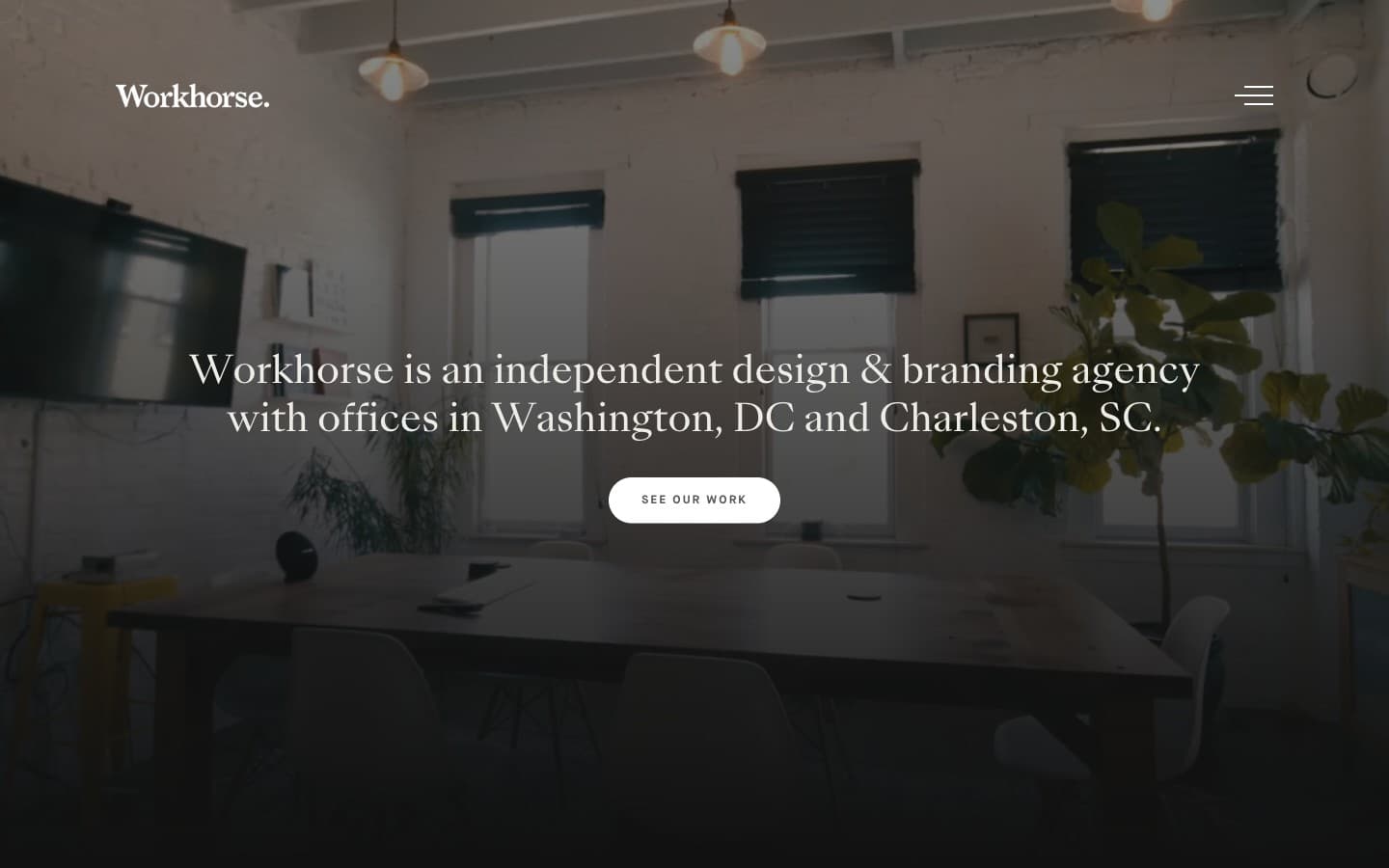
2024The Office of Culture & Commerce era, dark room with a video hero. ./v52026 → now 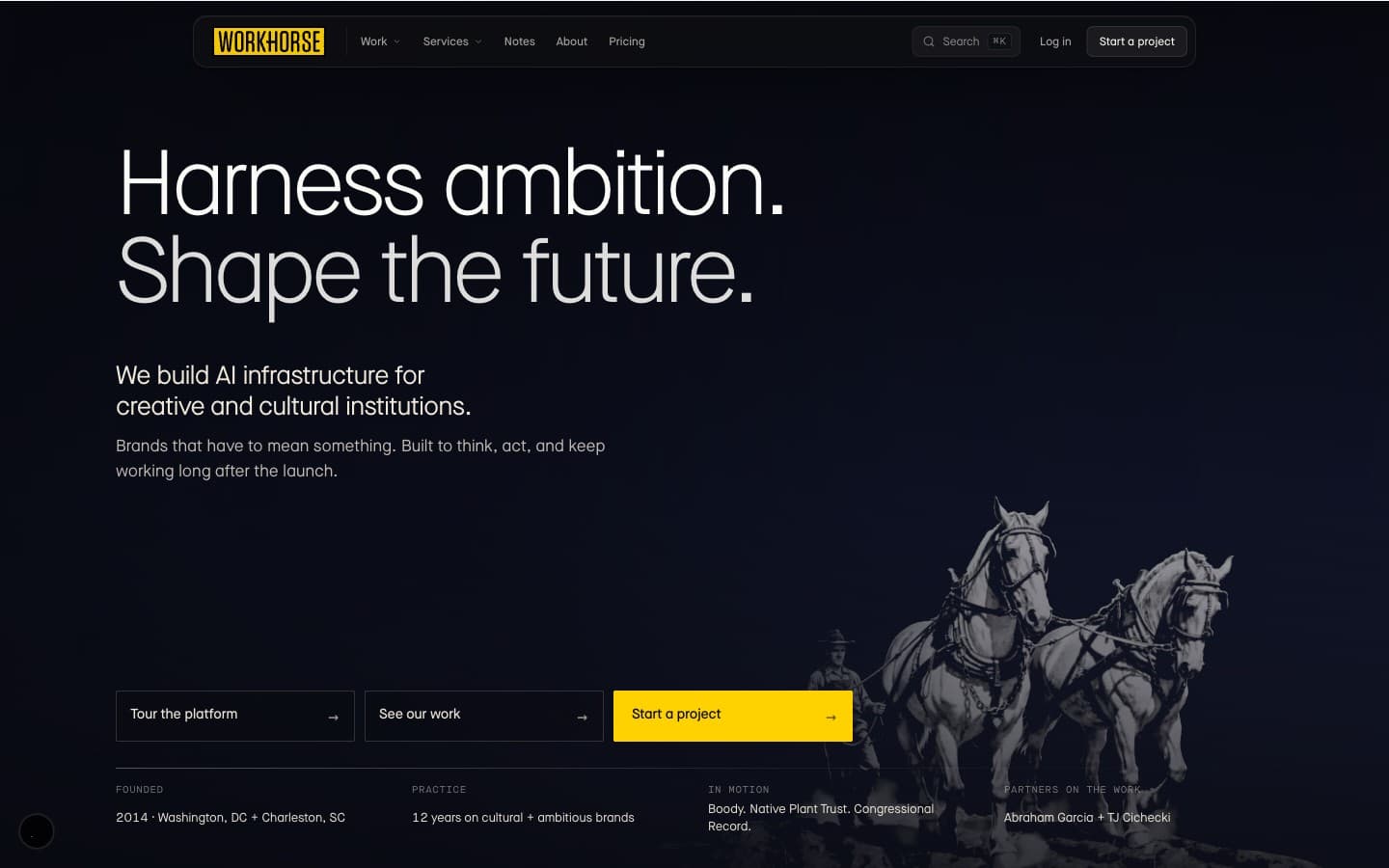
2026The current site, built on Workbench.
Sources · web.archive.org/web/*/wrkhrs.co · Captured at 1440 viewport.
Abe Garcia and Tj Cichecki.
Roles, prior work, and what each leads now.
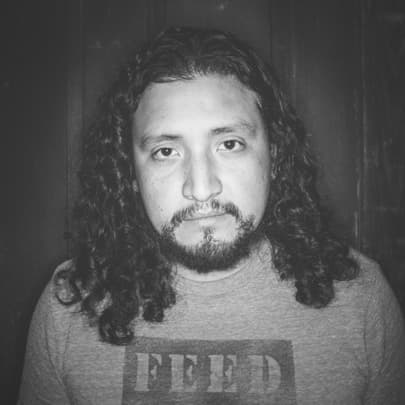
Abe Garcia
Abe studied Human Biology at the University of Texas and finished an MFA in Graphic Design at MICA in 2012. Before the studio opened he ran design at early DC technology companies including Rap Genius, Social Tables, Transit Labs, Event Kloud, and Bloompop. He leads the studio’s software and platform work.
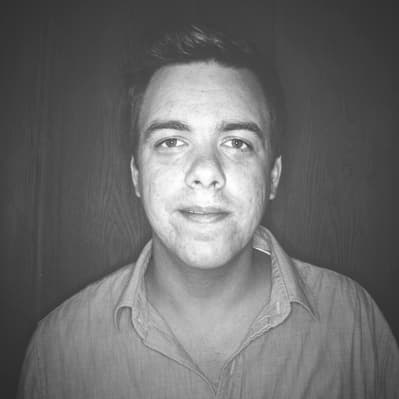
Tj Cichecki
Tj studied Visual Communications at Northern Illinois University and was Senior Creative Lead at PBS before Workhorse, with prior stints at Edelman, APCO Worldwide, Ketchum, and Redpeg. He leads brand strategy, identity, and content.
Studio details.
Where to find us, what to call us, who we’ve worked with.
Legal
Workhorse Collective LLC
Independent design studio. Minority-owned. Founded 2014, incorporated 2018 with the merger.
Washington, DC
Capitol Hill
1902 carriage house. Workshop, broadcast room, venue.
Charleston, SC
Open since 2016
Second outpost. Same practice.
Tell us what you’re working on.
What are you working on?
Studio for founders, experts, and the institutions they run.
Living, working brands. Built with your team to keep growing.