Up from the People.

The Martin Luther King Jr. Memorial Library is the central library of the District of Columbia and the only public library Ludwig Mies van der Rohe ever designed. When the library reopened in 2020 after a renovation by Mecanoo and OTJ Architects, it opened with a permanent exhibition on the city’s history of protest, Up from the People: Protest & Change in DC. Workhorse was the brand and visual design partner on that exhibition, working with Bluecadet, Colloqate, Kubik Maltbie, Openbox and Studio Joseph and with the library’s own curators and archivists.
The brief.

The Martin Luther King Jr. Memorial Library is the District’s central library and the only public library Ludwig Mies van der Rohe ever designed. The board named it for Dr. King less than a decade after the March on Washington. In 2020 the building reopened after a renovation by Mecanoo and OTJ Architects, and it reopened with a permanent exhibition on the city’s own history of protest: Dr. King’s ties to the District, Walter Fauntroy, Marion Barry, the Student Non-Violent Coordinating Committee, the Poor People’s Campaign, home rule.

The library asked for an exhibition that could tell that story inside a Bauhaus interior without arguing with the building, and that could be built from its own special collections. Workhorse was the brand and visual design partner, working with Bluecadet, Colloqate, Kubik Maltbie, Openbox and Studio Joseph and with the library’s curators and archivists from early 2019 through the opening.

The only public library Mies built.

The only public library Mies built.

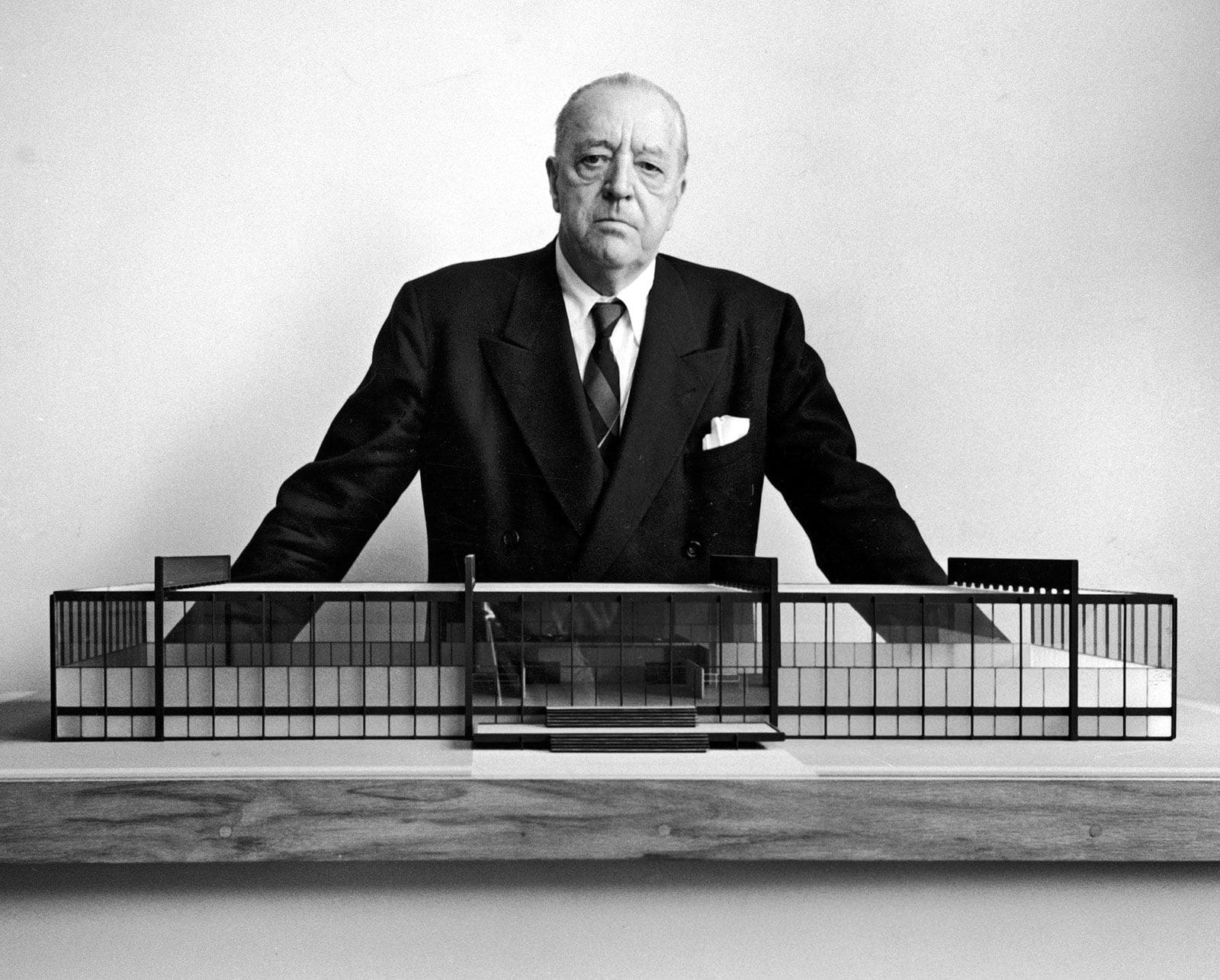
Ludwig Mies van der Rohe was the last director of the Bauhaus and one of the century’s most influential architects. The MLK Library is the only public library he designed.

The exhibition sits inside that building and had to be designed with it. The panel angles, the black steel, the flush glass and the grotesque on the captions all come from the interior.

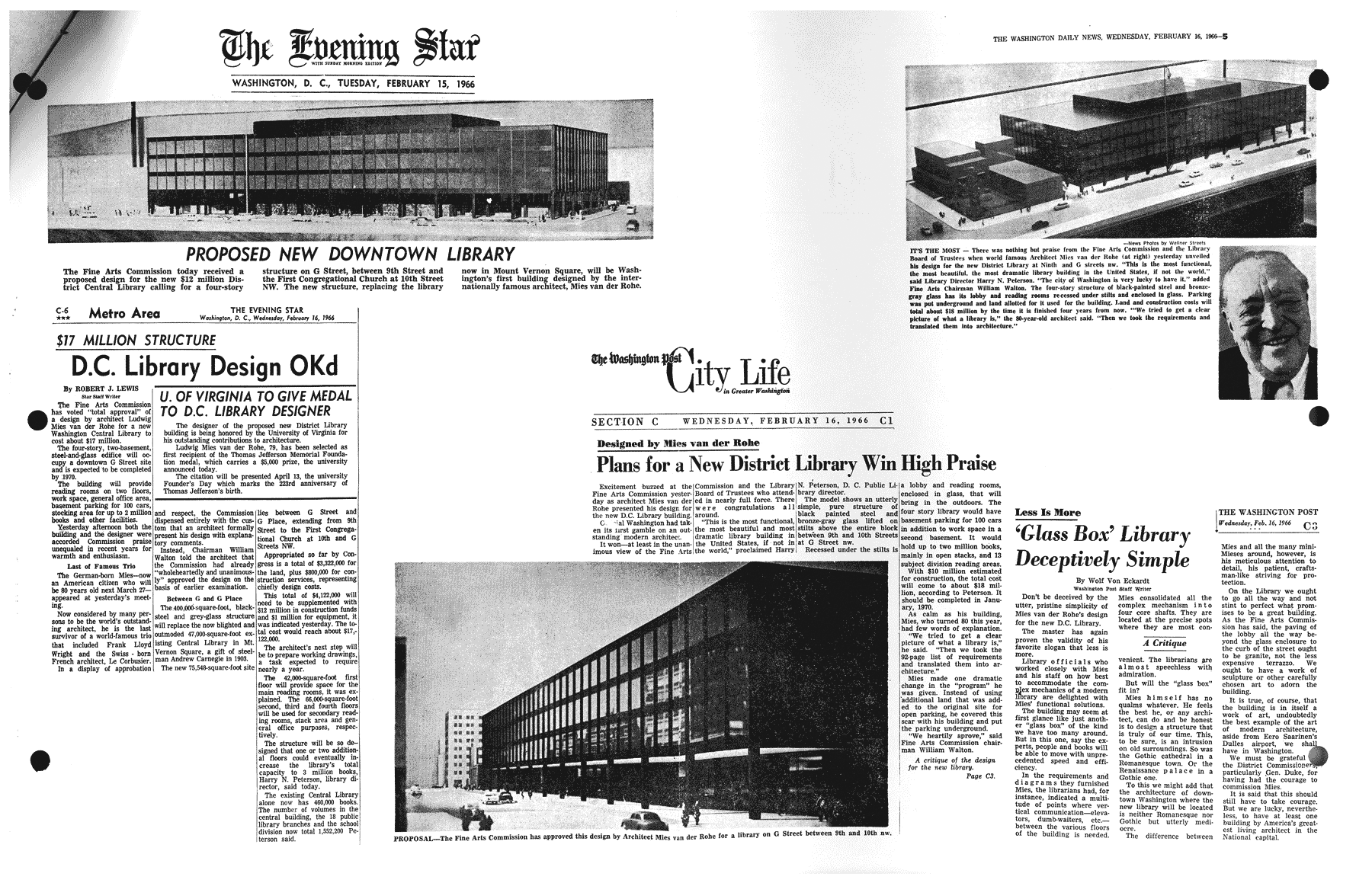
Evening Star and Washington Post clippings from 1966 on the proposed downtown library, with Mies’s elevation
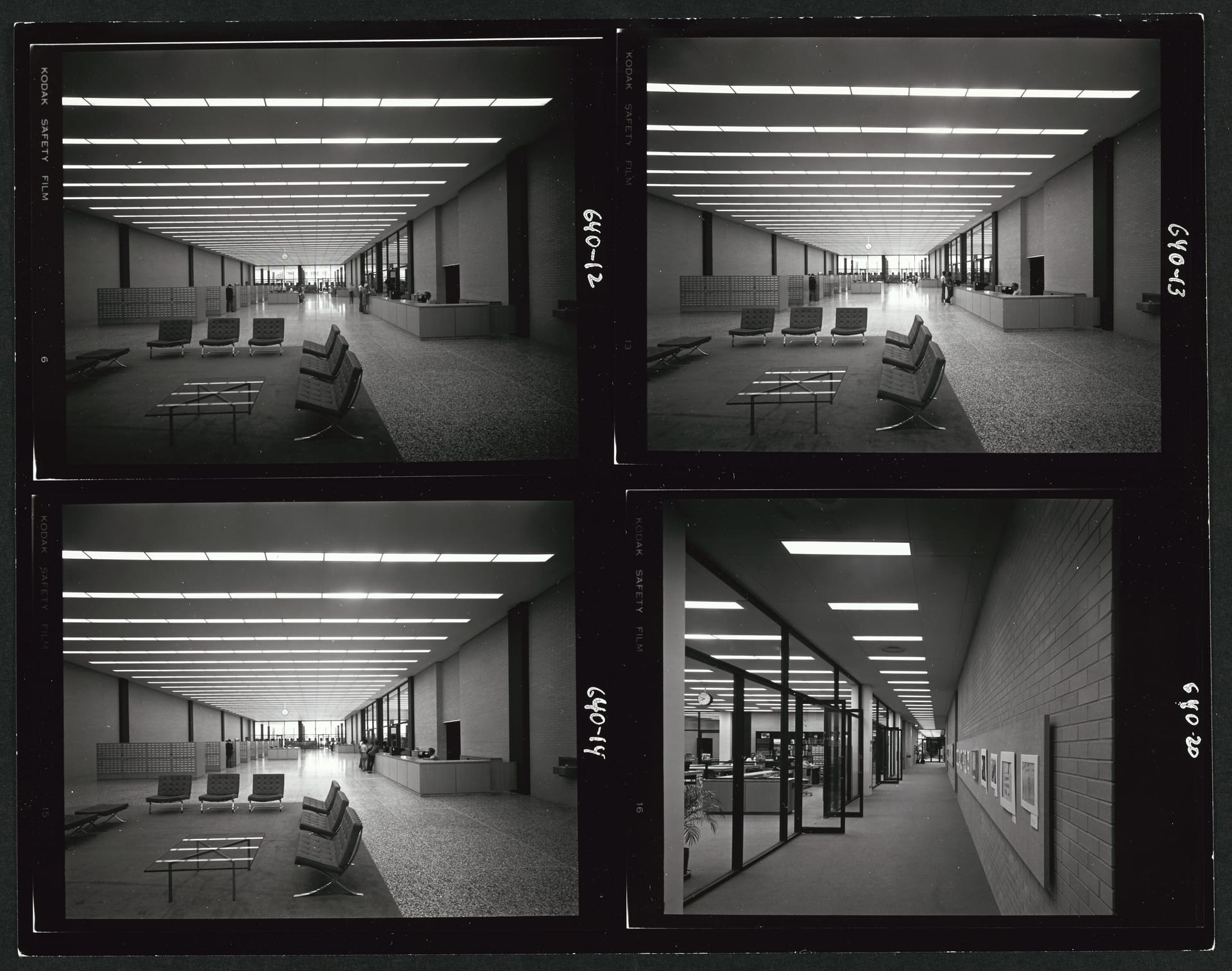
Contact sheet of four photographs of the library interior soon after it opened
The People’s Archive.

The People’s Archive.

The library’s special collections hold the District’s own record of itself: photographs, fliers, correspondence and oral histories going back more than sixty years.

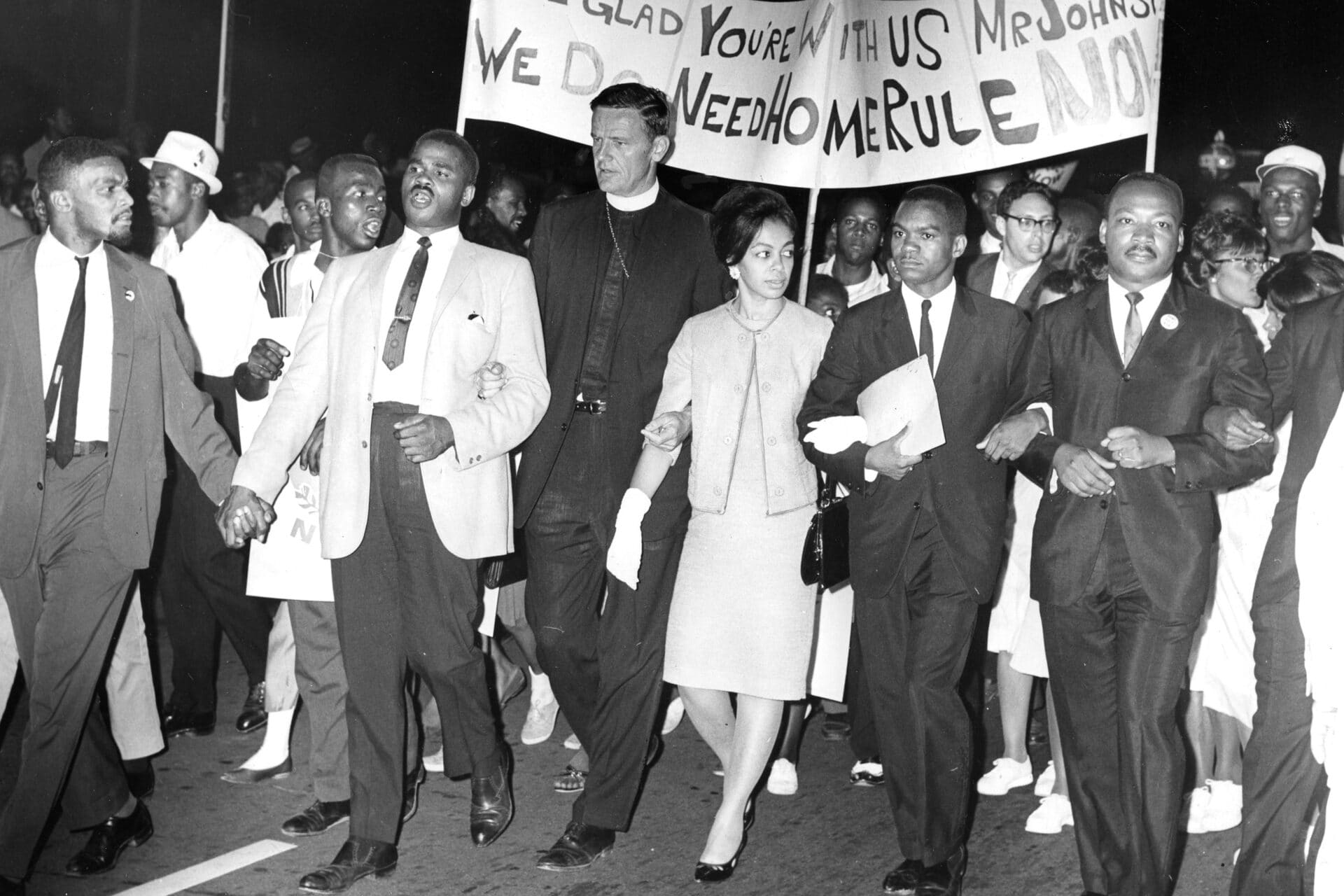
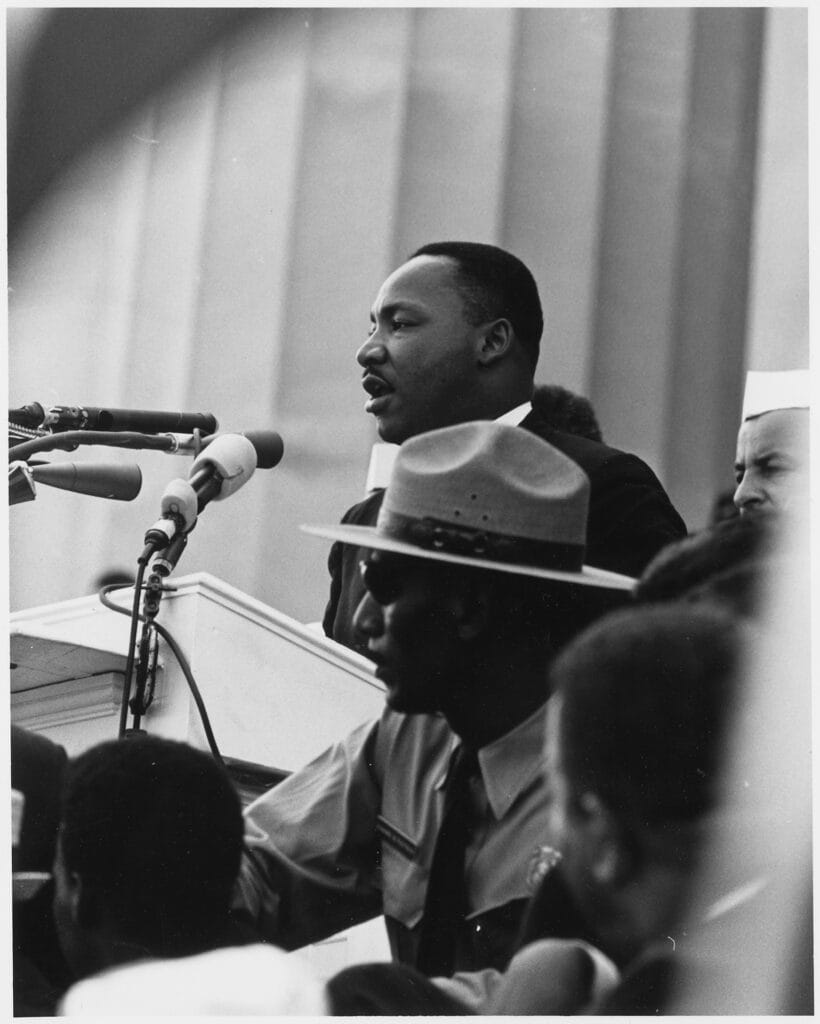
We worked with the library’s archivists to pull the exhibition from that collection. Dr. King at the podium in the District. Walter Fauntroy, the young pastor who became the city’s first delegate to Congress. Marion Barry as SNCC chairman and later as mayor. The Poor People’s Campaign, the 1968 uprising, home rule, and the go-go handbills and campaign buttons that put the same decades in the hands of the people who lived them.

Dr. King speaking at a podium in Washington
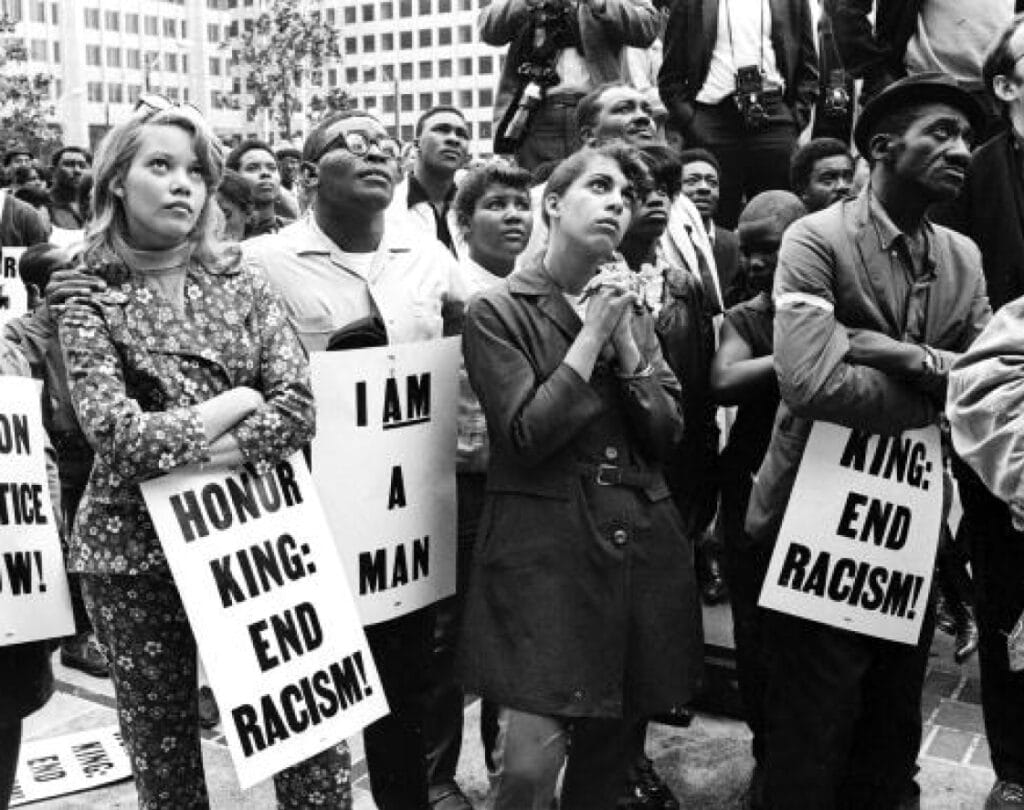
A crowd in the District with placards reading Honor King: End Racism and I Am a Man
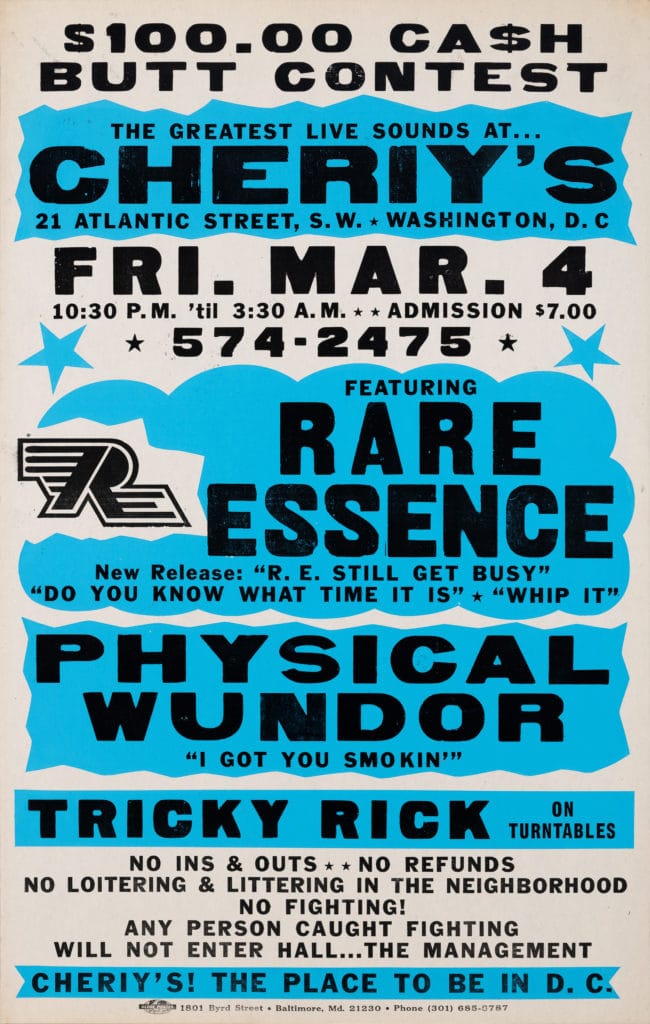
A handbill for Rare Essence at Cheriy’s, blue and black on white
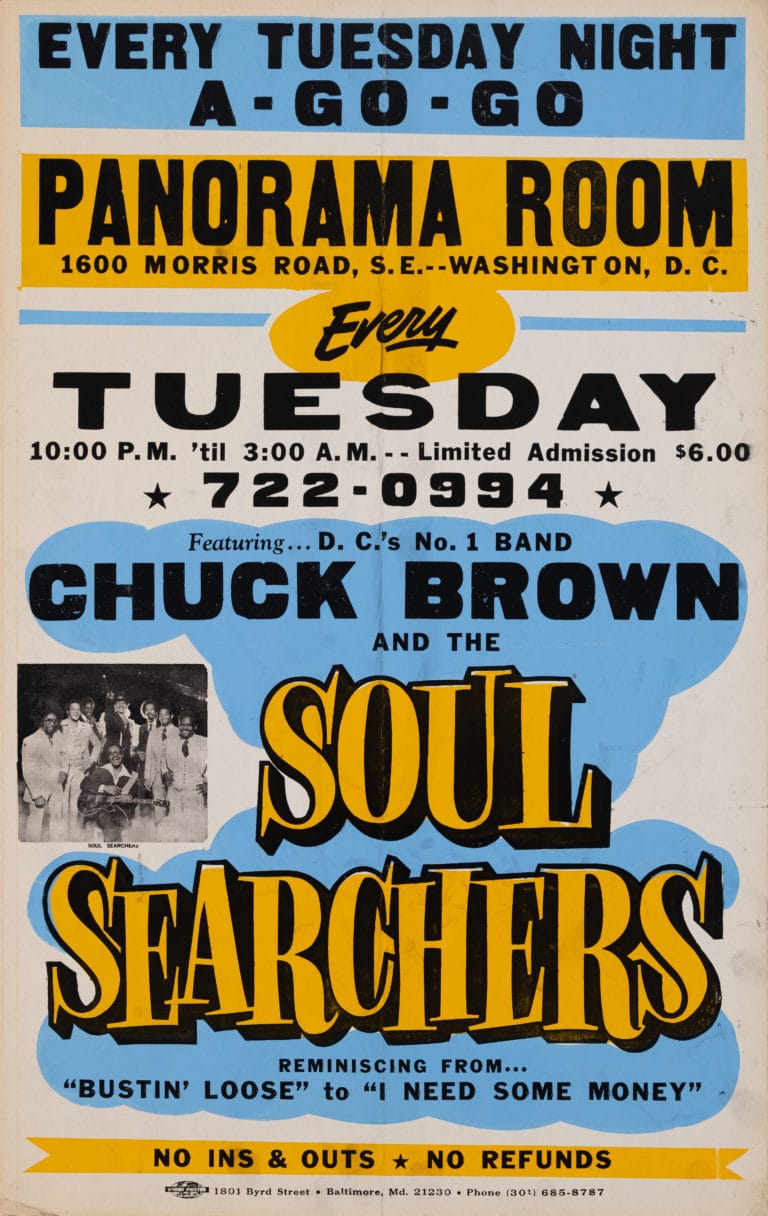
A Panorama Room handbill for Chuck Brown and the Soul Searchers
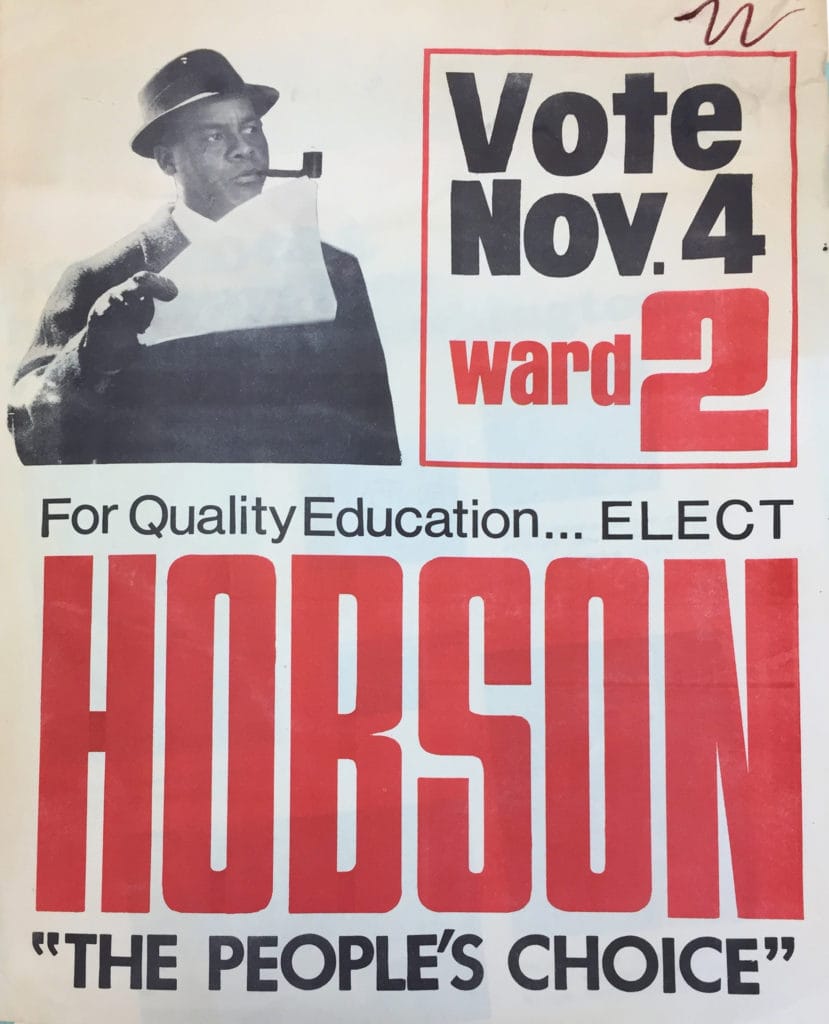
A Julius Hobson campaign poster: Vote Nov. 4, Ward 2, The People’s Choice
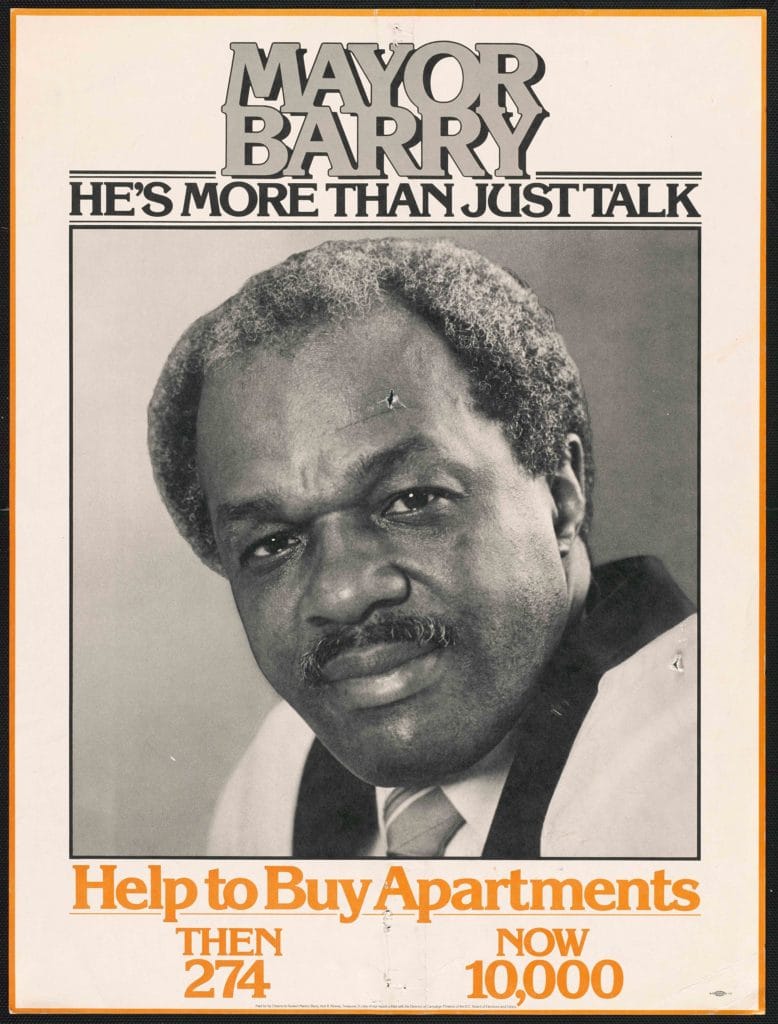
A Marion Barry campaign poster: He’s More Than Just Talk
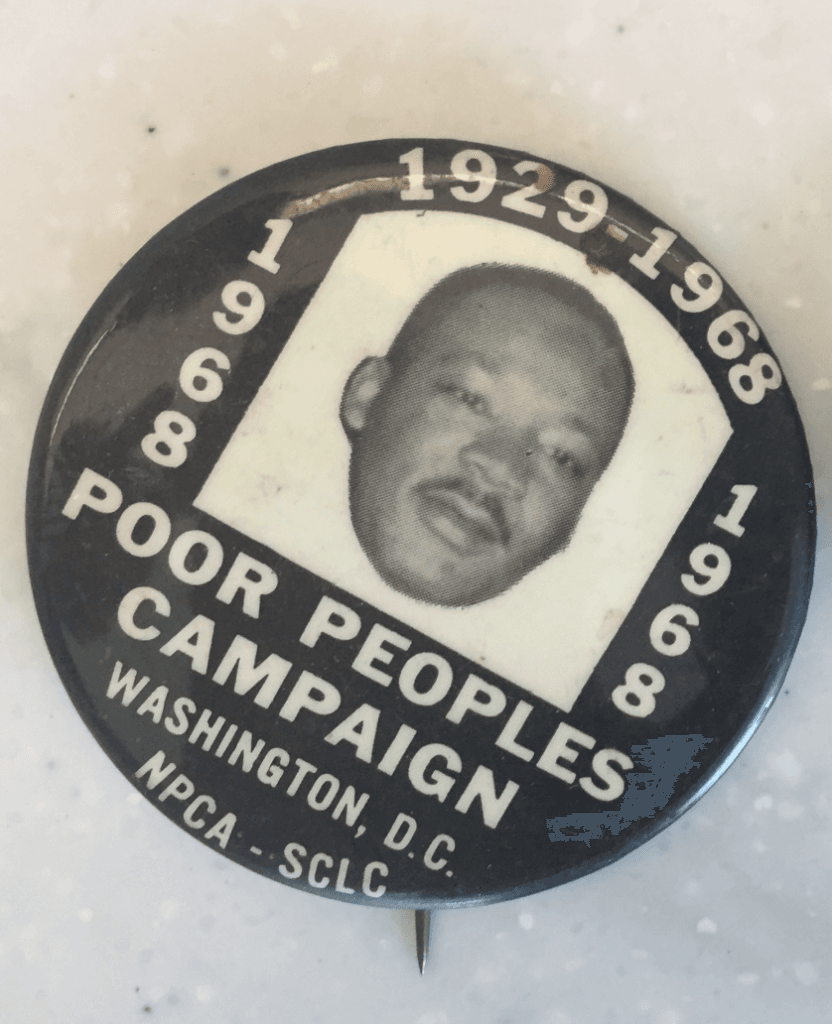
A Poor People’s Campaign button with Dr. King’s portrait, Washington, DC, 1968
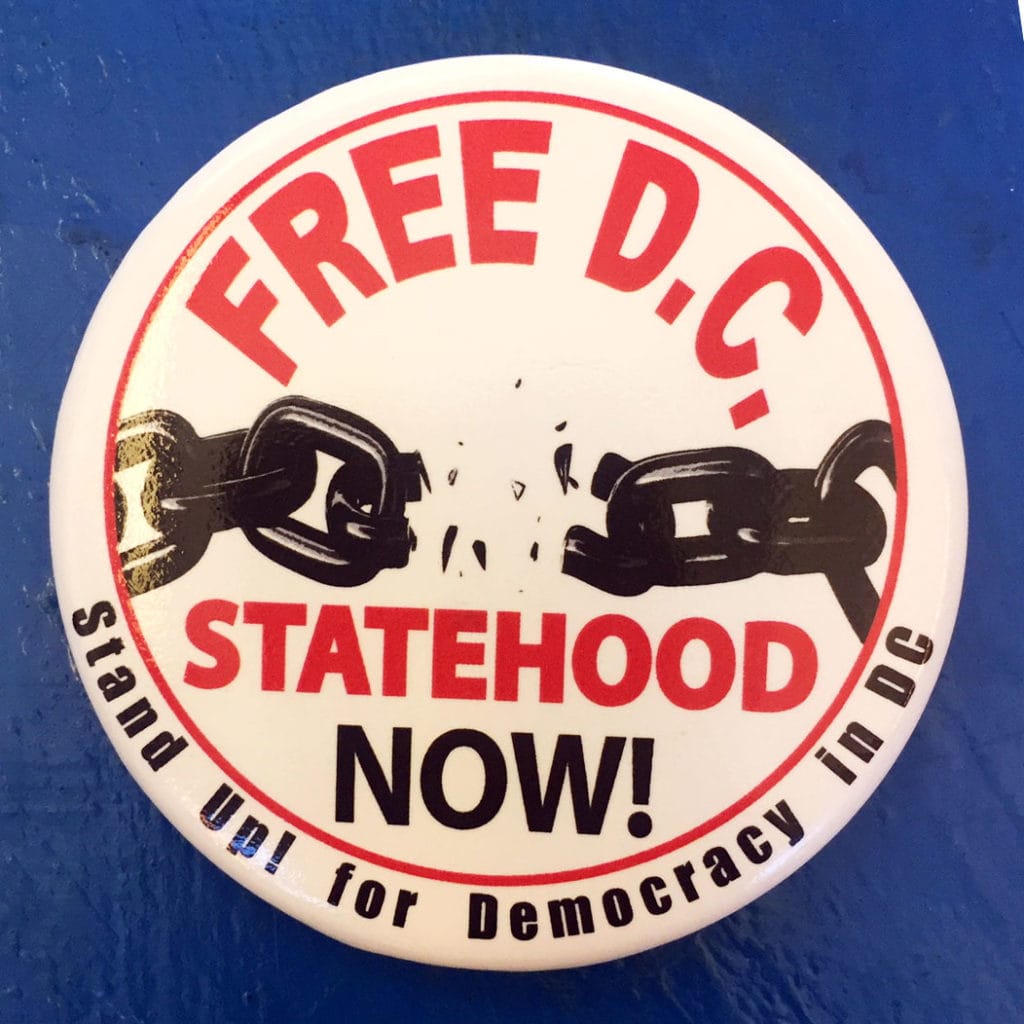
A Free DC, Statehood Now button with a broken chain
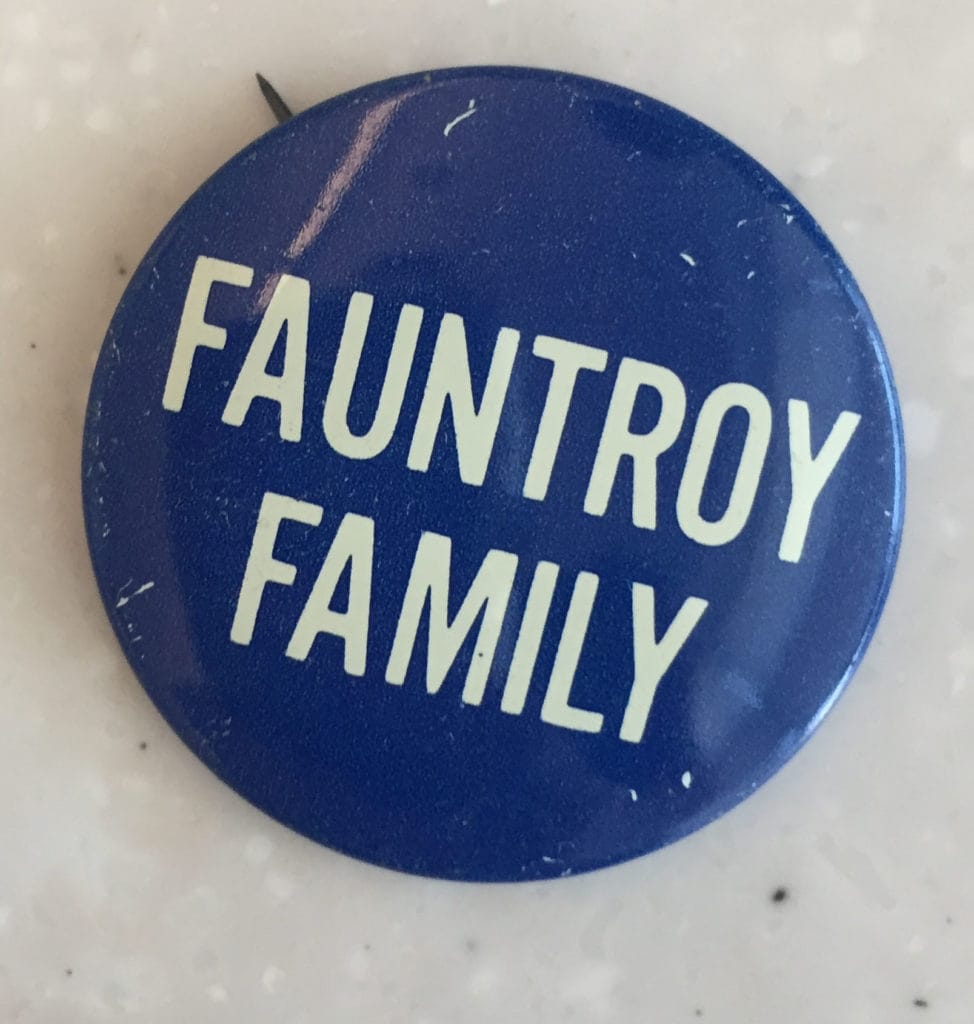
A blue Fauntroy Family button
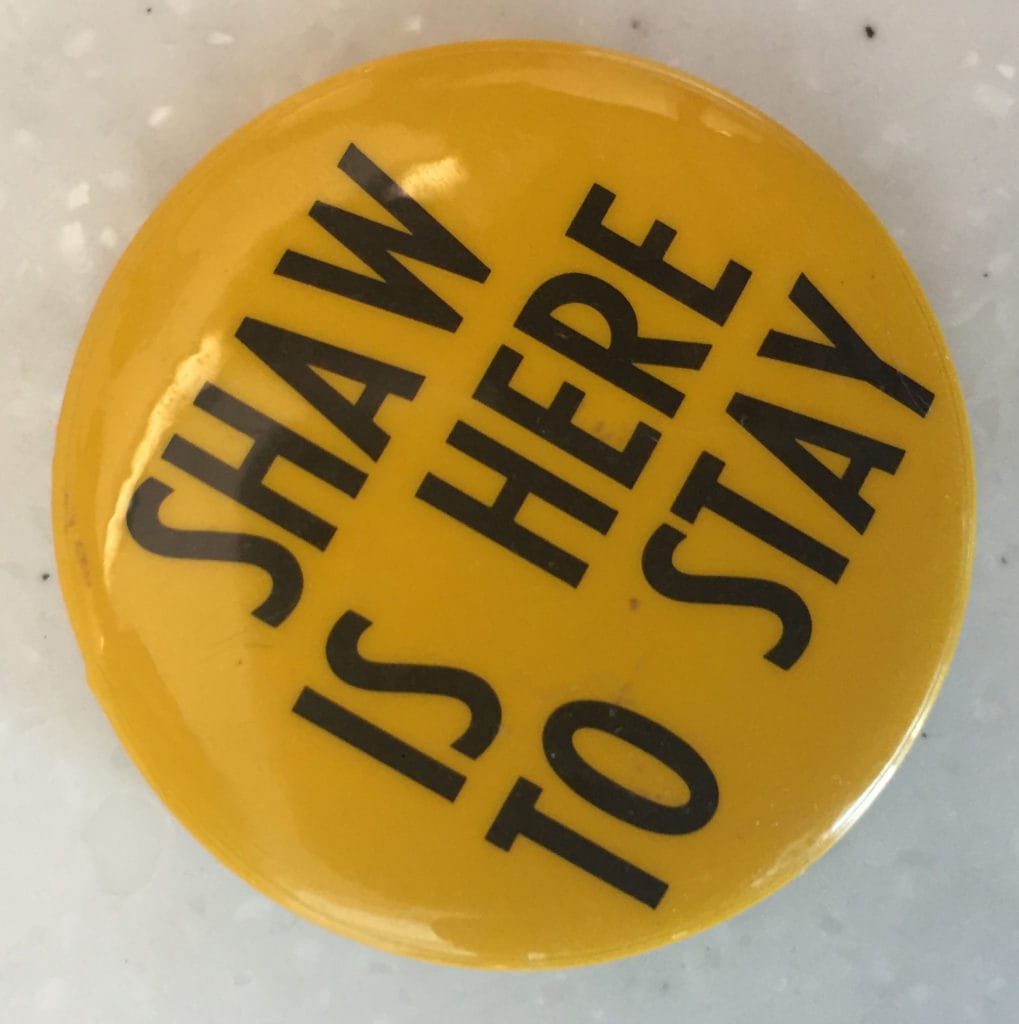
A yellow button reading Shaw Is Here to Stay

Made with the library.

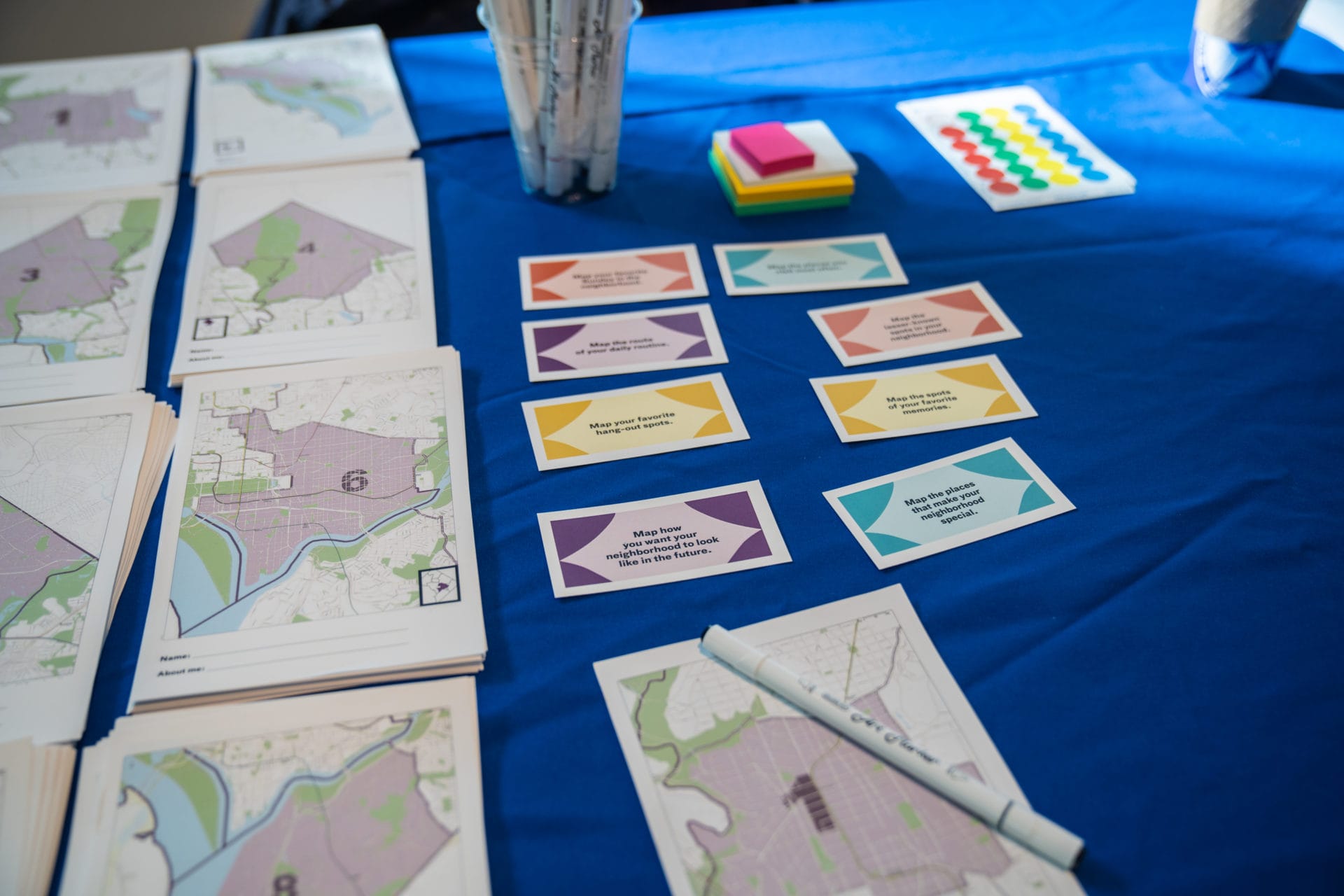
The content came out of workshops with library staff through 2019: wards mapped on the table, themes voted onto the wall, and a model of the floor that went around the room. The named figures, the neighborhoods and the questions in the drawers were settled there before a panel was drawn.

Ward maps and colored cards laid out on a blue workshop table
A participant at the workshop wall, placing a sticker on the theme chart
Library staff and the design team around a table model of the exhibition floor

On the floor.

The exhibition runs along the library floor in three kinds of piece. Angled panels on black steel frames carry the named figures, Marion Barry, Mayor for Life, over low tables of artifacts. A-frames hold single archival photographs at full height, so a 1968 street scene stands in the room at the scale of the room. Long tables with stools carry the drawers, the vitrines and the touchscreens, and put the visitor at reading distance from a typewriter, a card file, a campaign button.

Every angle comes off the Mies grid. The panels are cut to it, the vitrines sit flush with the panel walls, and the black steel reads with the building’s own mullions, so the exhibition holds its place in the interior.

Installation

Up from the People, installed.

The permanent exhibition on the library floor after the 2020 reopening: panels, A-frames, the long tables, and the drawers people write into.

2020Martin Luther King Jr. Memorial Library, Washington, DC28 frames
  1. Two visitors reading the curved panel wall on the Mississippi Delta and the streets of DC
    A visitor passing the Our Barry Stories wall, with the yellow listening cups set into it
  2. Two visitors at the From Activist to Mayor table, under the Take a stand panels
    Two visitors taking a photograph in front of the Marion Barry panel
  3. The curved panel wall seen from across the floor, with the library glass behind it
  4. An angled panel on its black steel frame, cut to the building grid
    The long reading table with its stools, a visitor at the far end
  5. Two children at the table under the Up from the People title wall
  6. Visitors seated at the long table, reading the drawers and the panel above
    Three visitors along the table, the title wall behind them
  7. A row of visitors on stools at the table, the drawers open in front of them

12 of 28 frames.

Take a stand.

Up from the People, exhibition panel

Two typefaces.

The identity had to speak in two voices at once: the protest it documents and the building it lives in. MARTIN, by Tré Seals of Vocaltype, is drawn from the placards of the 1968 Memphis sanitation strike, the campaign Dr. King went to Memphis to support. It sets the exhibition title, the named-figure callouts and every line meant to be read from across the floor. FF Bau, Christian Schwartz’s grotesque first drawn for the architecture magazine Baumeister, carries the panel copy and the captions, and answers the Bauhaus interior Mies built.

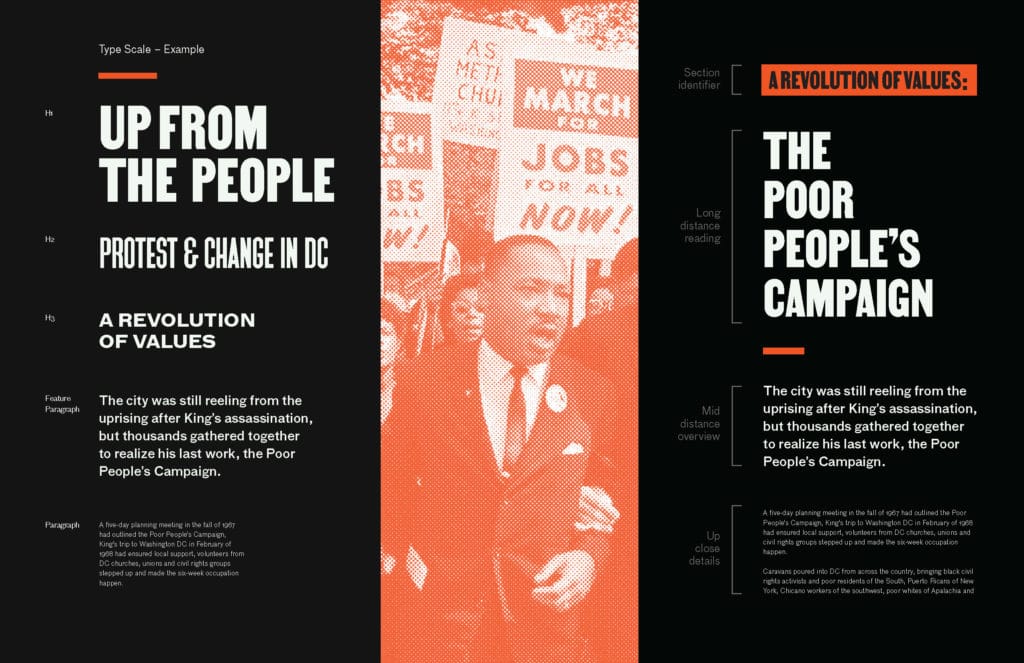
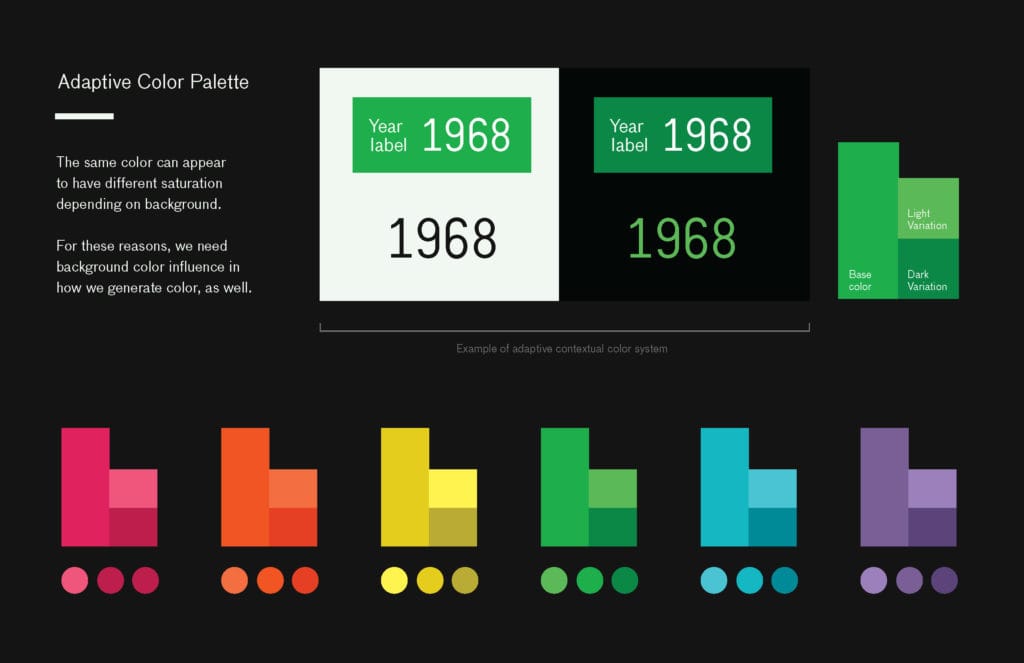
Underneath both sits a four-tier distance hierarchy: section identifier, long distance, mid distance, up close. The same system sets a headline read at twenty-five feet and a caption read over a vitrine, so the curators could write to a tier and the type would land at the right size. The palette is Activist Orange, Bauhaus Black and a cream stock, with an adaptive rule that adjusts a color to its ground so a date like 1968 reads the same on light and dark.

Type

Two faces, one from the march and one from the building.

MARTIN carries the exhibition voice and FF Bau carries the reading.

Display
MARTIN
Tré Seals, Vocaltype
TAKE A STAND
Drawn from the signs carried in the 1968 Memphis Sanitation Workers Strike, the campaign Dr. King led in the last weeks of his life. Seals made it in honor of his grandfather, one of the 1,300 men who struck.
Text
FF Bau
Christian Schwartz, FontFont, 2002
FF Bau specimen
A neo-grotesque family that began as a custom face for the German architecture magazine Baumeister and grew into a full family. Its ancestry is the same Bauhaus lineage as the building.
Type scale page from the exhibition guidelines: the title lockup, section identifier and body tiers set beside an orange halftone photograph
Adaptive color palette page from the guidelines: the year 1968 set on light and dark grounds, and six color families with their tints

What visitors add.

The exhibition is permanent, so it needed a way to keep taking in the city. The long tables carry that: a Map Your DC Story touchscreen set into the wood, listening cups with recordings from residents of the city, drawers of question cards, and a yellow cabinet where a visitor answers one and files the card for the next person. The copy on the cards is the same voice as the panels, one tier down.

The yellow response cabinet: Share your exhibit experience
A hand pulling a question card from the yellow drawers
A visitor at the Map Your DC Story touchscreen set into the table
The listening station: Hear audio recordings from residents of the city
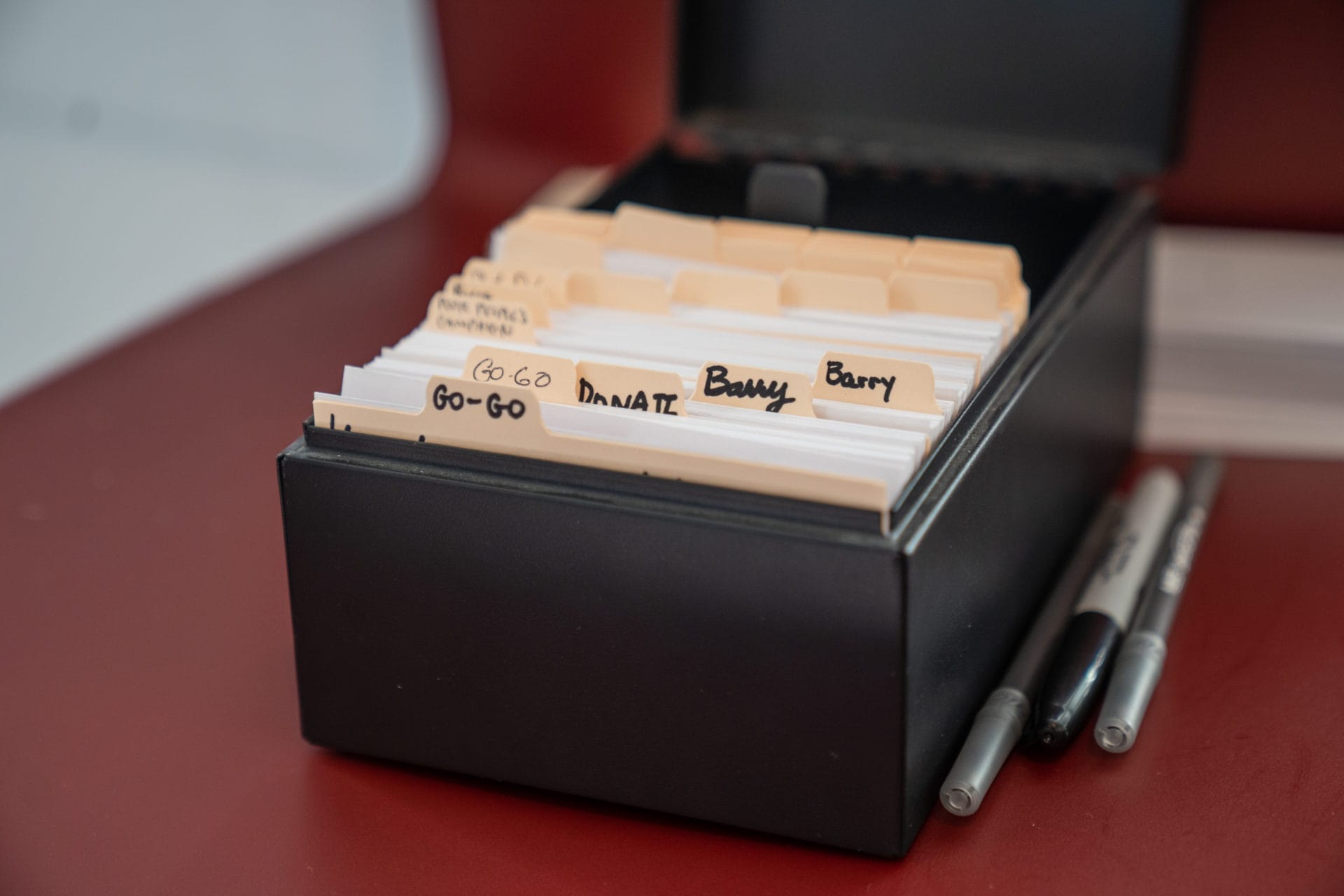
The card file box with tabs for Go-Go and Barry
A typewriter in a vitrine under the table glass

2020.

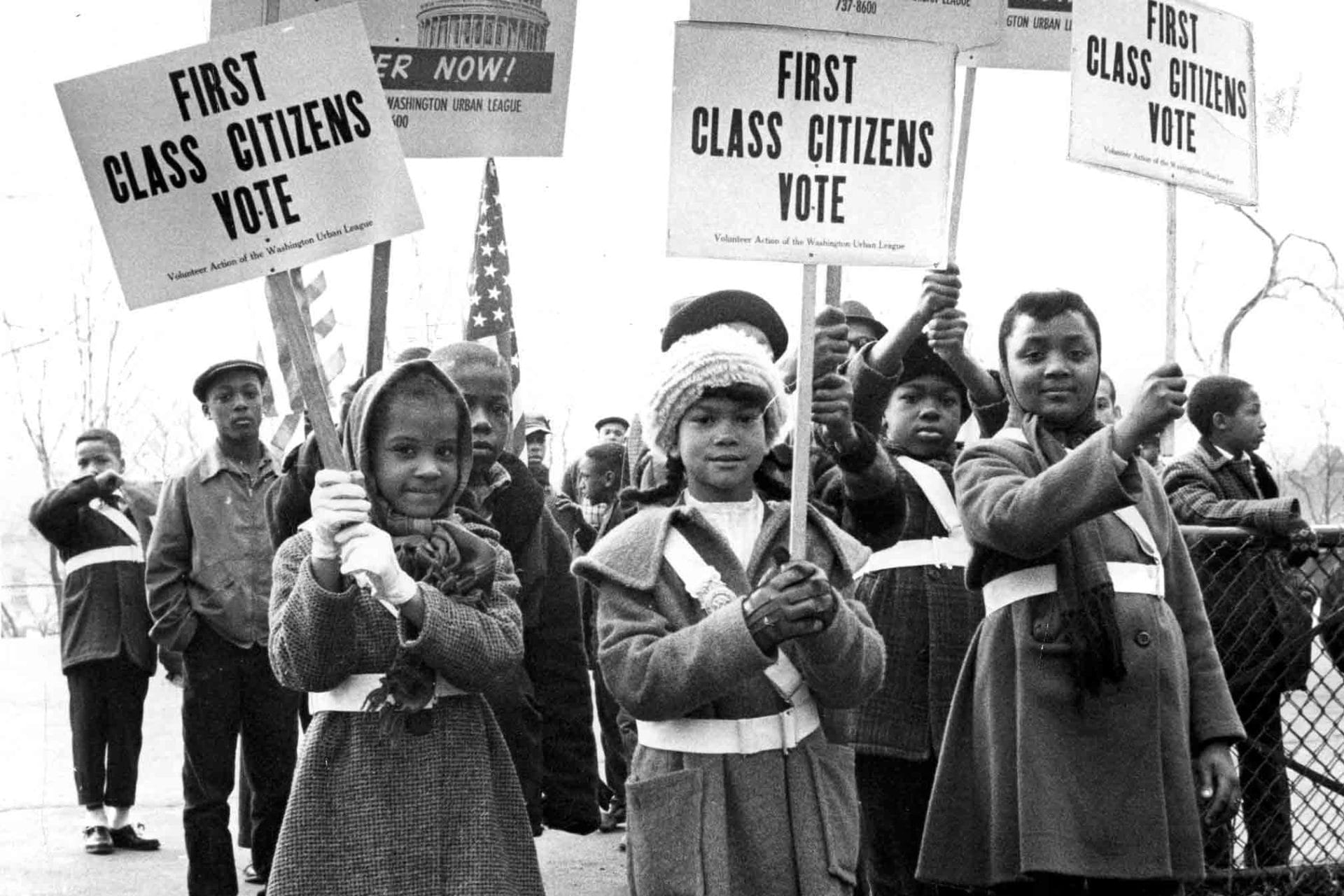
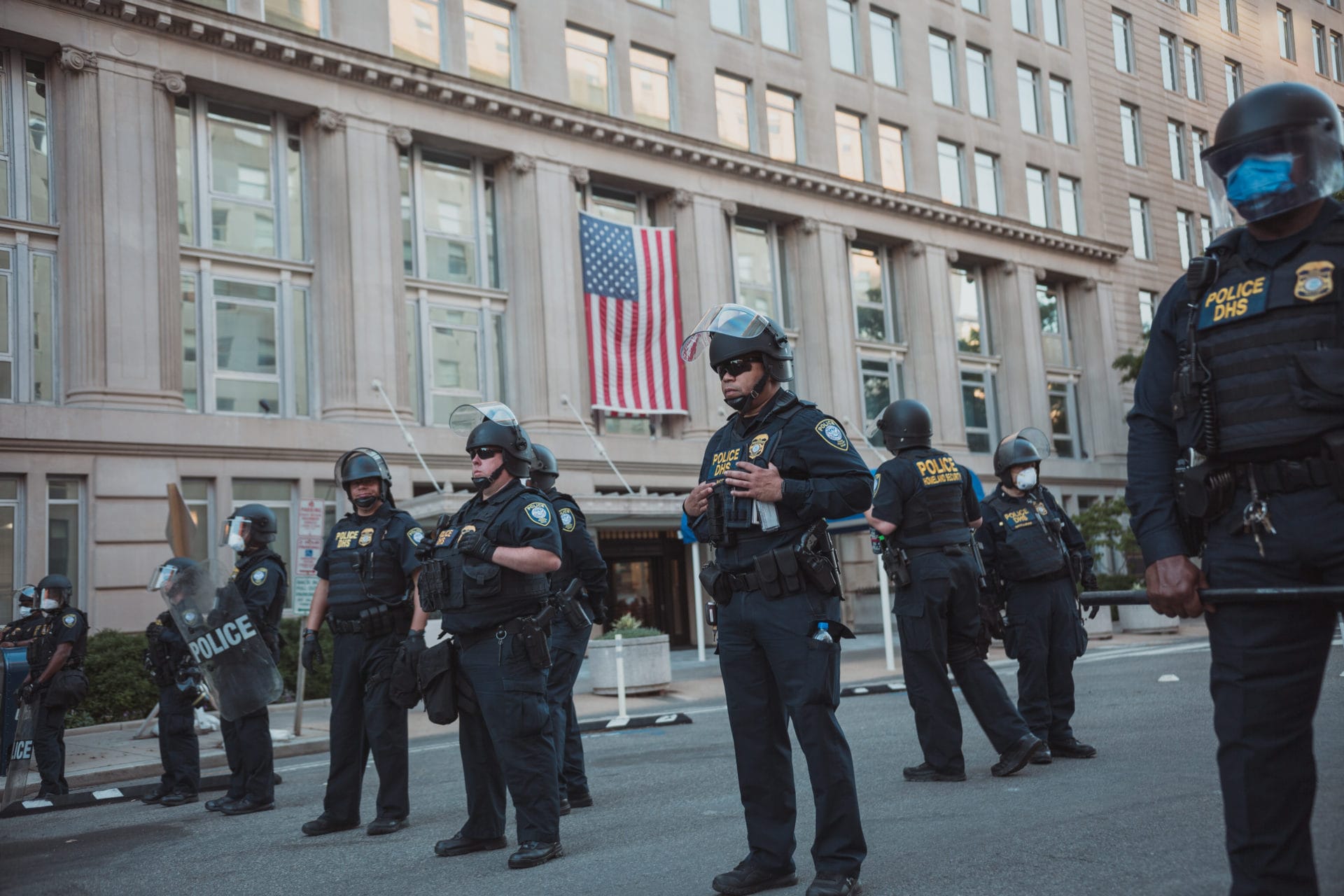
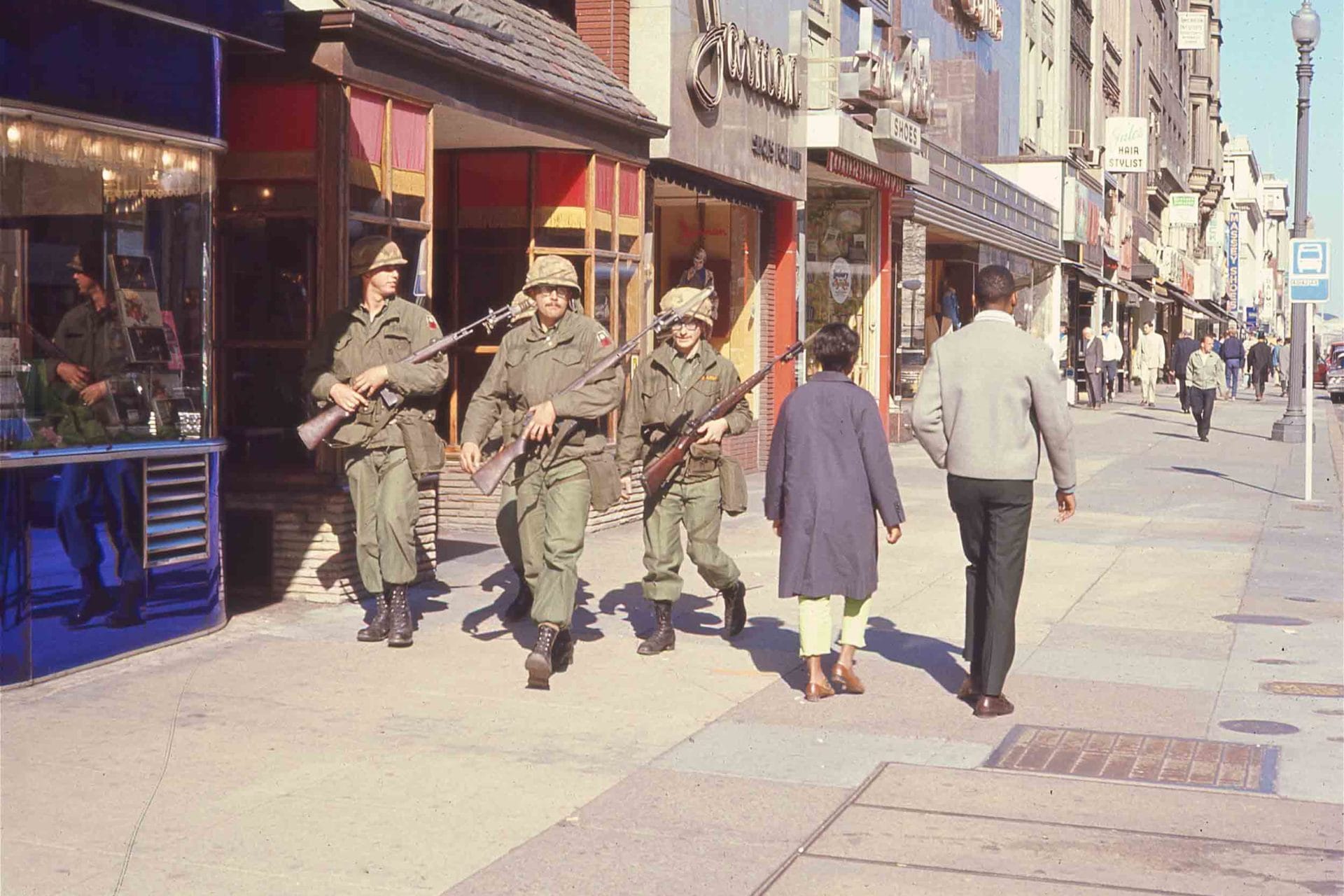
The library reopened in 2020, into a pandemic and a summer of protest in the same streets the exhibition documents. The photographs from the opening year sit beside the archival ones: the 1964 children’s march for voting rights and the 2020 march for Black lives.

Children marching with First Class Citizens Vote placards, 1964
Children at the front of a Black Lives Matter march carrying a red banner, 2020
Troops walking a District sidewalk during the 1968 uprising
A police line in front of a federal building, 2020

What are you working on?

Studio for founders, experts, and the institutions they run.

Living, working brands. Built with your team to keep growing.

© 2026 Workhorse Collective, LLCPrivacyTerms