The attractions between molecules, and why they set boiling point and vapor pressure.
1Attractions between molecules
Intermolecular forces are attractions that exist between individual molecules.
They are weaker than intramolecular forces (ionic, covalent, and metallic bonding) in a particular substance.
Molecules with weak intermolecular forces holding them together can increase separation between each other and escape into the gas phase more easily, and so have higher vapor pressures and lower boiling points.
There are three main types, from weakest to strongest.
2London dispersion forces
Weak forces of attraction experienced between all molecules.
Generally the weakest type of intermolecular force.
Occur when electrons experience a temporary asymmetrical distribution in a molecule, resulting in momentary partial charges.
Affect all molecules, even if they experience other intermolecular forces.
Molecules with more electrons experience stronger London dispersion forces.
Pentane, C5H1242 electrons, boils at 36 °CHexane, C6H1450 electrons, boils at 69 °C
3Dipole-dipole interactions
Forces of attraction experienced between all polar molecules.
Stronger than London dispersion forces.
Occur when electrons are permanently distributed asymmetrically in a molecule, resulting in permanent partial charges.
Present only in polar molecules.
Hydrogen chloride, HClPolar: chlorine pulls the shared electrons toward itself, so the chlorine end is partly negative and the hydrogen end partly positive.
4Hydrogen bonding
A special type of extra strong dipole-dipole interaction.
Occurs when H is bonded to a highly electronegative N, O, or F atom, so electrons are even more asymmetrically distributed.
Present in polar molecules with an N–H, O–H, or F–H bond.
To compare two substances, list every force each one has, then compare the strongest. If they share the same forces, the one with more electrons has the stronger London dispersion forces.
What this topic builds
Name the forces between a substance’s moleculesNot practiced yet.
Not started
Compare two substances by boiling point or vapor pressureNot practiced yet.
Not started
Put three substances in order of their forcesNot practiced yet.
 Chemistry
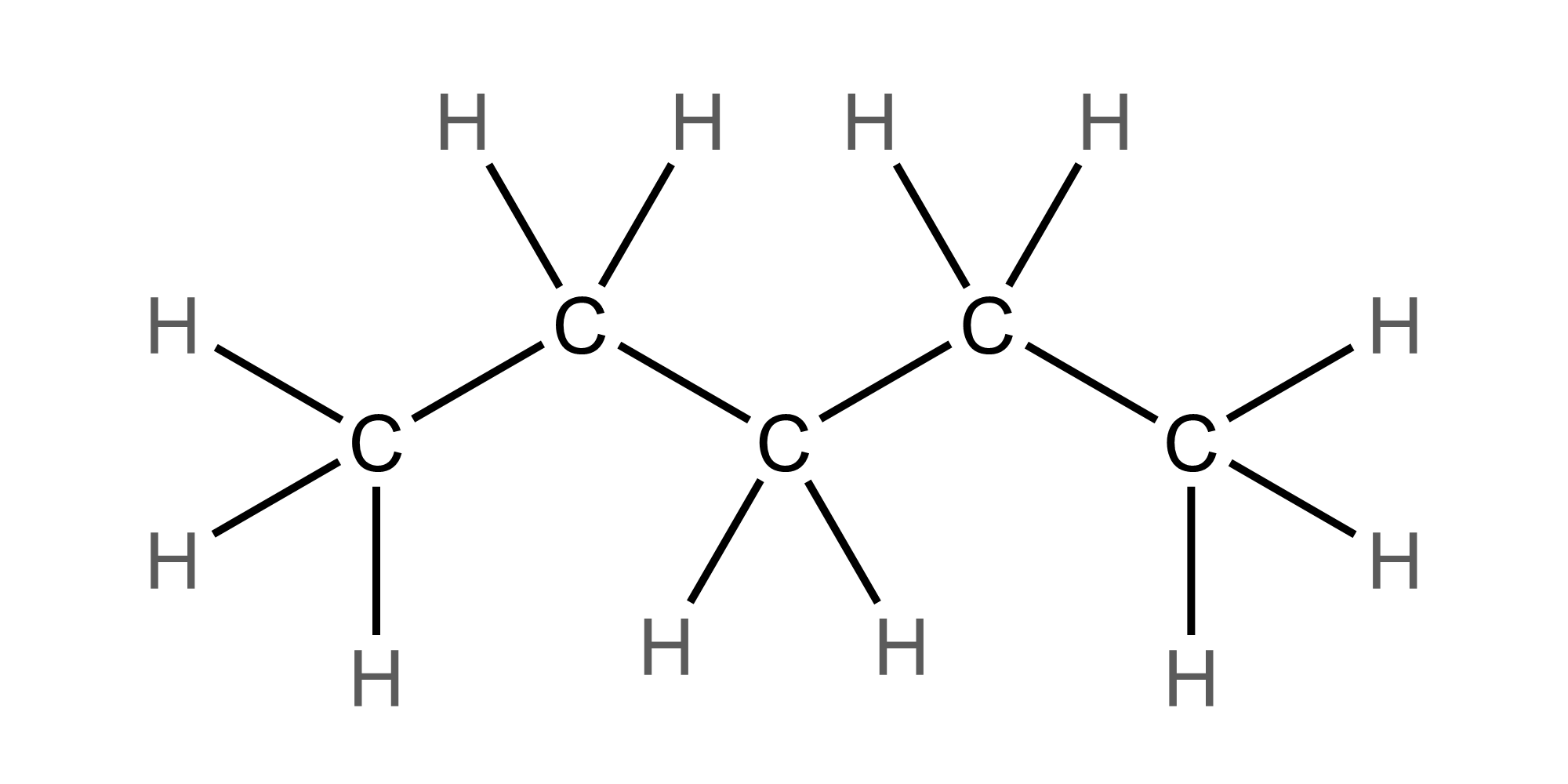 Pentane, 51242 electrons, boils at 36 °C
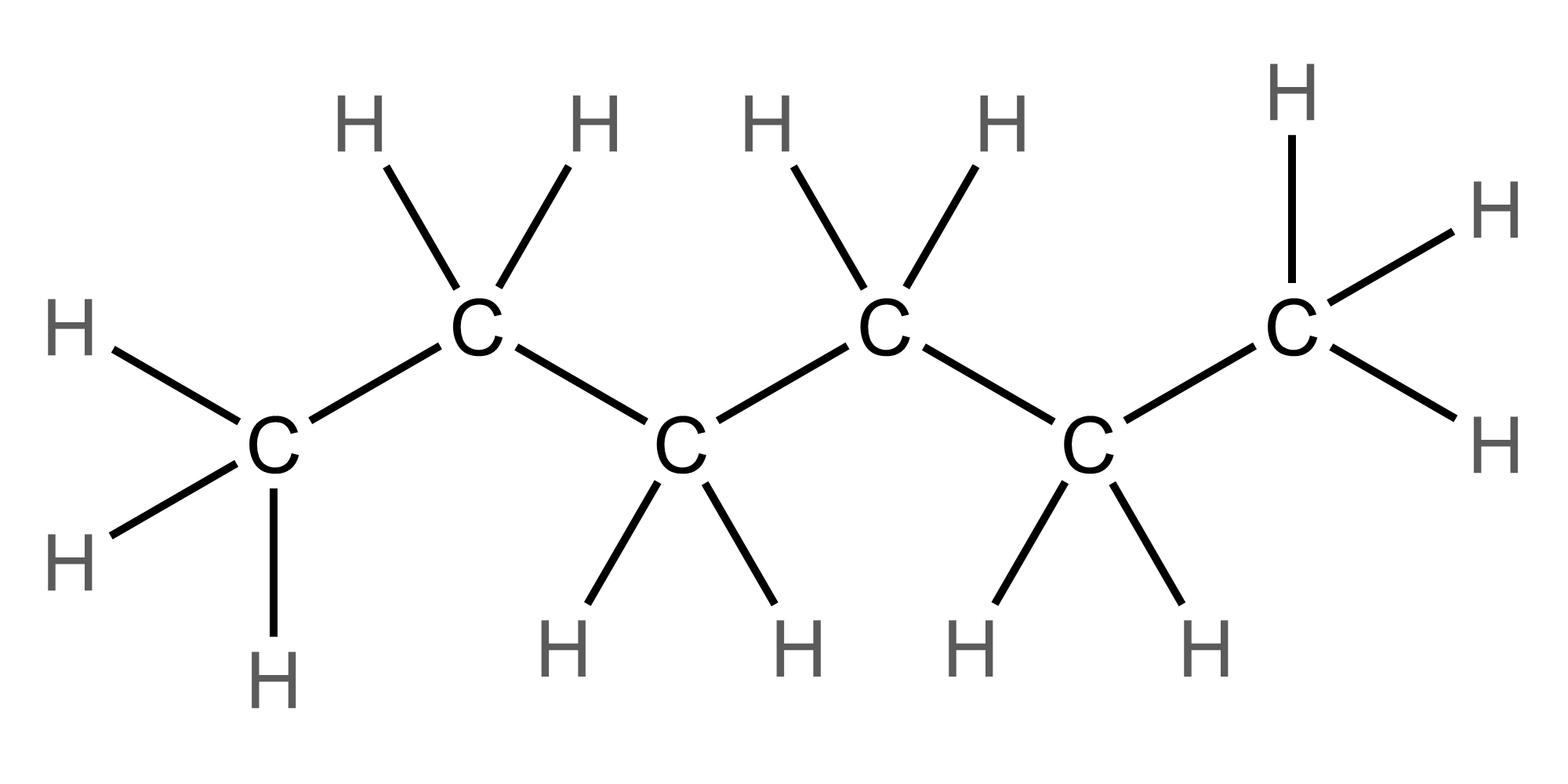 Hexane, 61450 electrons, boils at 69 °C
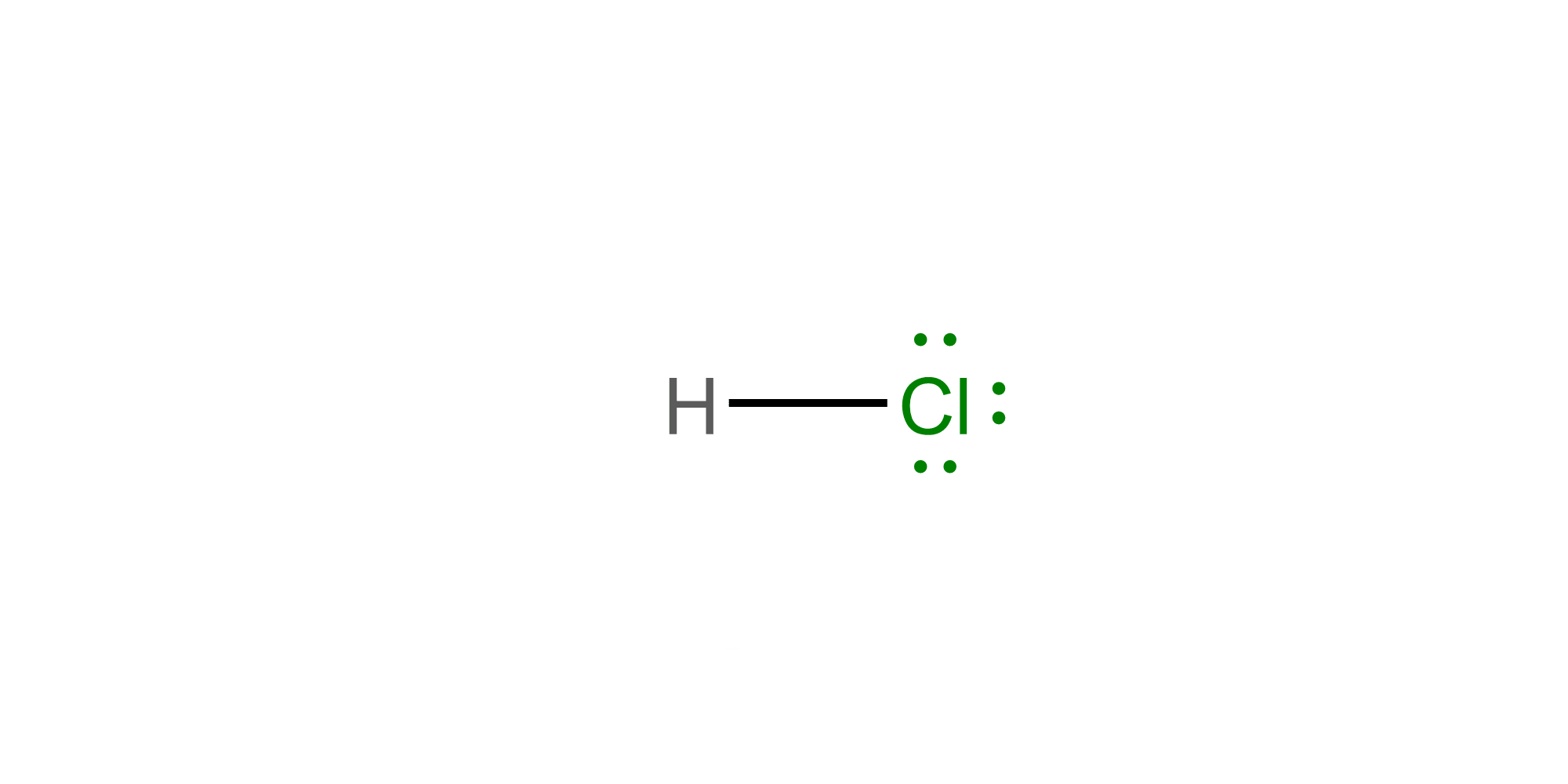 Hydrogen chloride, Polar: chlorine pulls the shared electrons toward itself, so the chlorine end is partly negative and the hydrogen end partly positive.
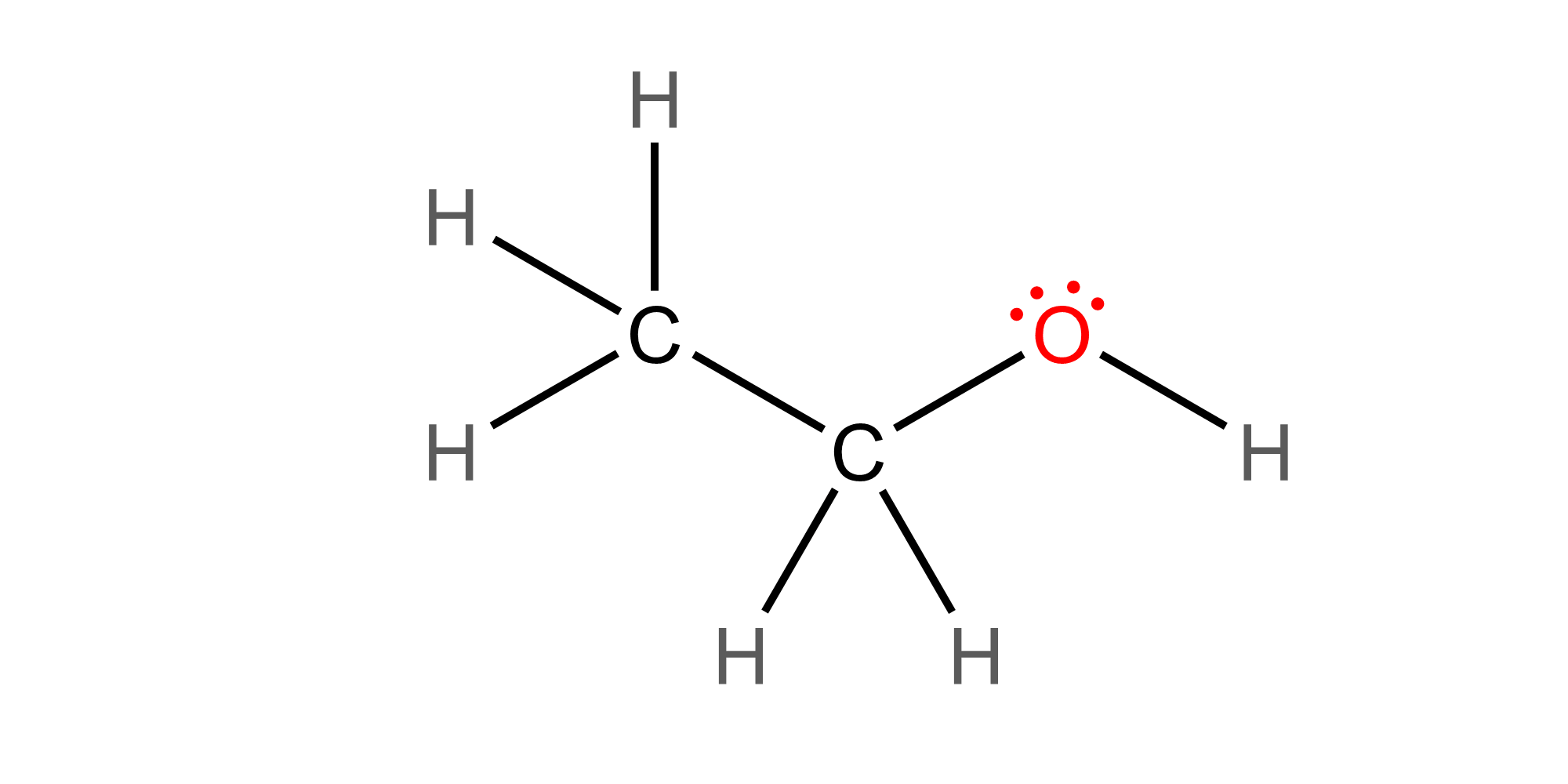 Ethanol, 25An O–H bond
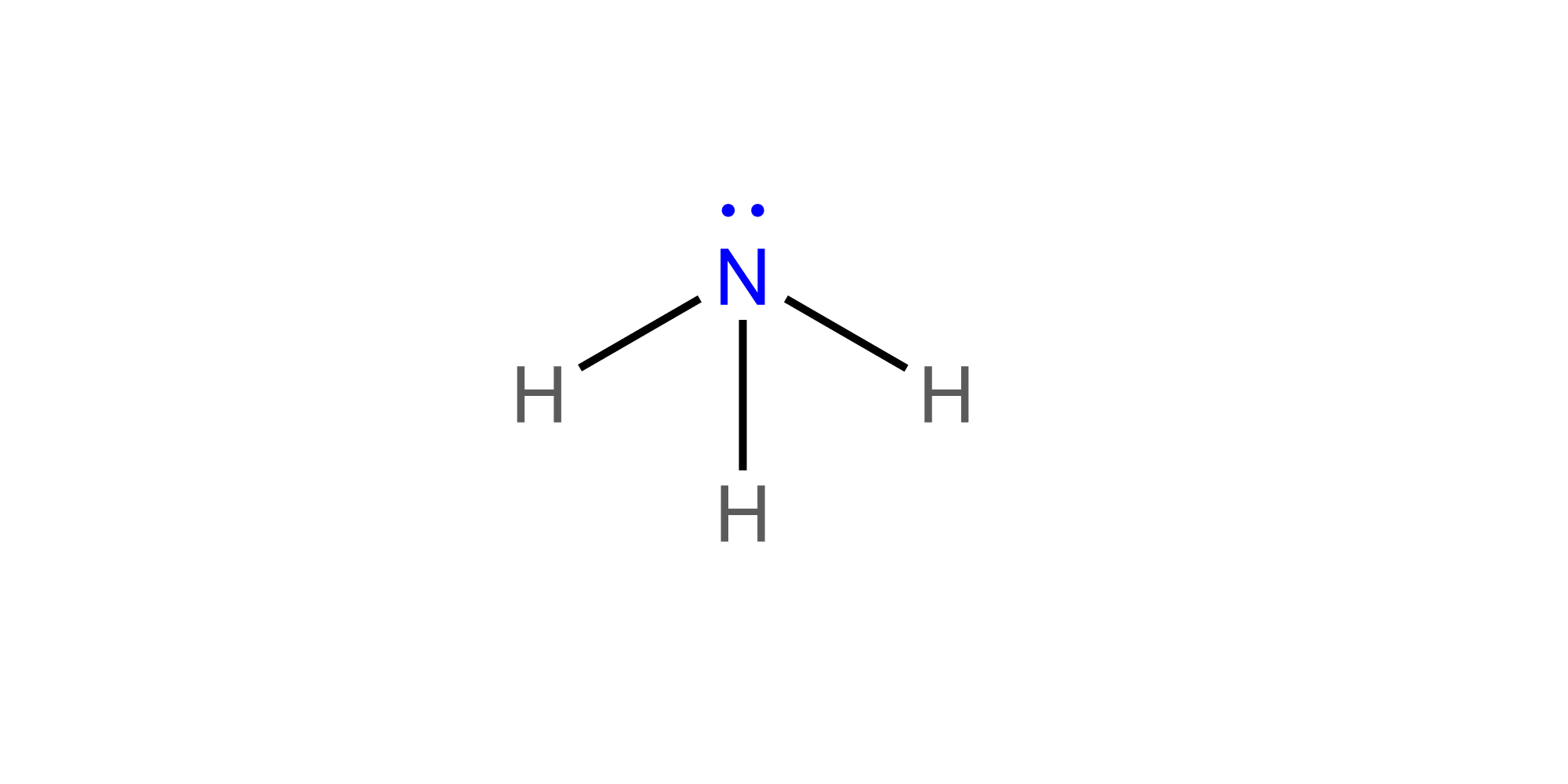 Ammonia, 3Three N–H bonds